
Acrylic on Canvas, 1975, 32×38

Railroad Tracks Cambridge
Acrylic on Canvas, 1975, 32×38
Railroad Tracks Cambridge
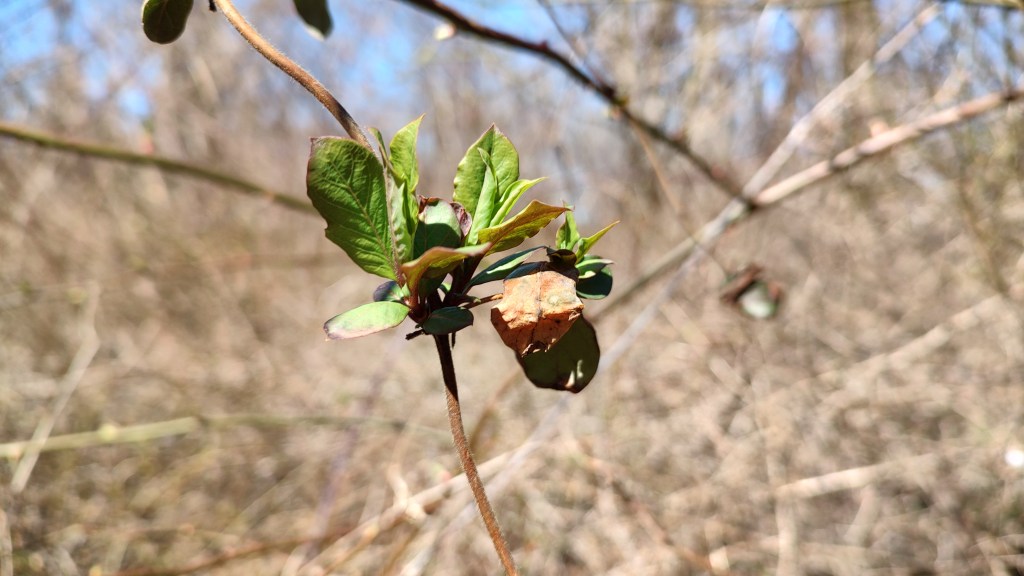
Lately, everyone seems to love ignorance. “I didn’t know”, “I wasn’t aware”, “I haven’t seen” are all played as “get out of jail free cards” when anyone is caught in a lie. Ignorance is truly bliss .
Of course, ignorance is hardly ever used in the present. “I don’t know” is certain doom. One must be confident and strident even when making up lies out of whole cloth. No matter if later you are proved wrong, because you were either “misinformed” or “misunderstood.”
Once upon a time, as in all good fairy tales, there was a standard of truth, and a test of past truthfulness applied to congenital liars. Now we simply accept them as entertaining orators, making up tall tales to enliven our dull lives .
There is a pervading zeitgeist that ignorance doesn’t matter. We can always learn the truth later and correct any mistakes “inadvertently” made by not learning the truth ahead of time .
As bridge builders still know, that’s a dangerous philosophy in a lot of areas. Apparently, government is no longer one of them .
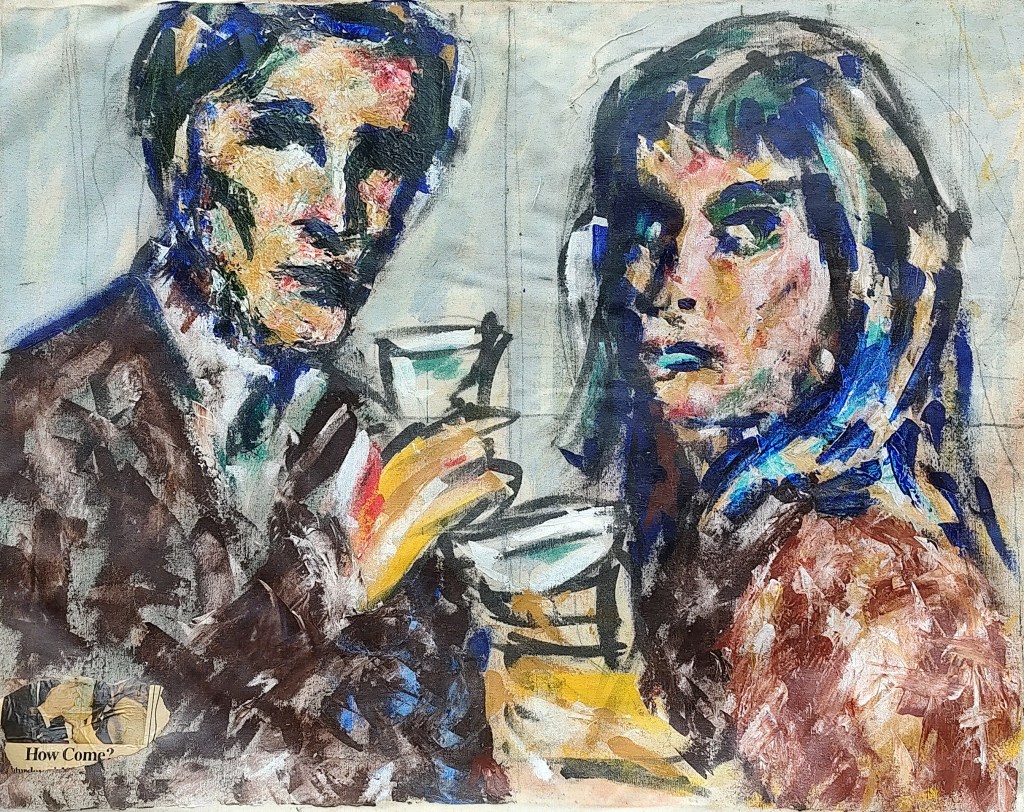
Acrylic on Canvas, 1971, 28×32
How Come?

“The voice of the people is the voice of God.” Perhaps. But the wealthy, the bureaucrats, and the lawyers actually run things. It is claimed that if “vox populi” selects the rulers, they will keep all the others in line with what people want .
The problem, of course, is that “the people” can be defined in many ways and aggregated differently. Majority does not equal unanimity. Two thousand voting yes against two thousand one voting no is a muffled mutter from god at best. But winners of an election like that will nevertheless declare a “mandate” to do what they want .
And rulers – elected or not – are clever folks, or they would not be rulers. They can easily manipulate the shouts of a mob for one thing or another to camouflage what they really want to do .
Finally, “the people” tend to be many “peoples” in different places and situations. Federalism just disguises the problem – there will still be minorities everywhere. Sure, constitutions can guarantee “rights” to keep vox populi in check, but that has historically been a very weak reed, especially if times get difficult .
All that is why I cringe every time a politician claims “the people have spoken.” I think democracy may be the “least bad” form of government, but we should never pretend that it is actually close to “god“.

Law is binary. You are either guilty or not. Lawyers make lots of money “proving” one thing or another. In general, you can push right up against the line (and even tiptoe a little over it) and still be completely “innocent” .
Tradition, on the other hand, is analog. It is also where we spend most of our lives. There is rarely, for example, a thin line dividing rude behavior from acceptable, but it is certainly possible to act more and more rudely .
When we interact with society, we expect rules based on law to be in place, but those are almost invisible most of the time. We are buffeted by tradition and its expectations – how far to stand apart, how loudly to express opinions, what to wear, general demeanor and behavior .
It is therefore far more jarring when traditions change dramatically then when most laws do. Old people especially can be blindsided and upset by all the terrible erosion of “normal” behavior as the young sweep away the “olden days”.
Everyone eventually settles into the “new normal” and adjusts their expectations accordingly. Traditional change – lacking enforcement apparatus – is often less jarring than law change.
The old people do occasionally try to get their revenge by passing laws to formalize those old traditions .
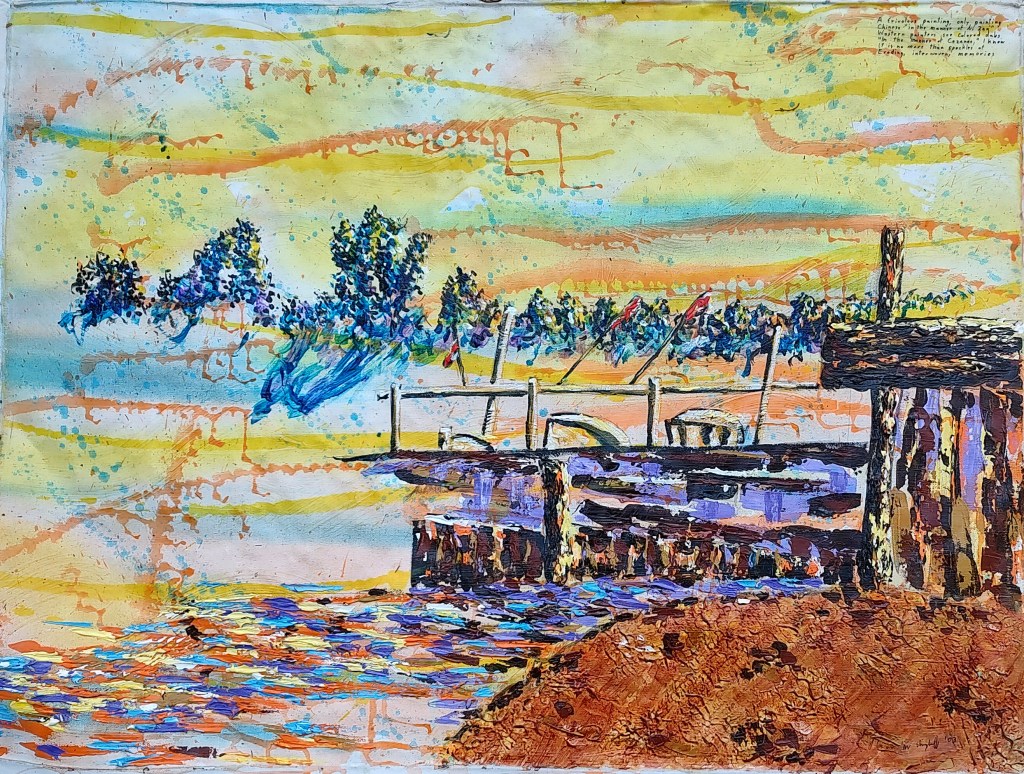
Acrylic on Canvas, 2003, 30×40
A frivolous painting, only painting/Chinese “in the manner of Ni Tsan”/Western painters see colored dabs/“in the manner of Cezanne” I know,/it is no more than speckles of/eroding, interwoven, memories
More of my paintings and writing at: https://sites.google.com/view/cabinetofvanities
2003-ACV-30×40-029

In a patriarchal society, Grandpa can be revered or feared, cherished or abandoned. By virtue of years, he has often accumulated property, power, and moral leadership. Arguing with the paterfamilias usually brings trouble.
These days, Grandpa is increasingly elderly. Folks used to die off before their late ’60s. Now they may hang on indefinitely. Their brains can be sharp but more rigid, their various bodily functions less youthful, agility impaired. Desires remain, reflexes deteriorate, judgments are suspect . And technology multiplies their power.
At some point, the car keys that Grandpa has used to drive everywhere all his life must be – sometimes forcibly – taken away. Hopefully before a terrible accident.
That is right, logical, even compassionate. But the old guy resents it. Maybe screams. Maybe sulks. Maybe uses his property and power to punish. There is often no easy or happy way to do so.
There are worse consequences of longer lifespan. Our geriatric leaders are a good example. In many ways, they have come to resemble a decrepit superhero, full of old power, confused and dangerous. Our society however, is unable to restrain his impulsive behavior as he cruises along in the batmobile .
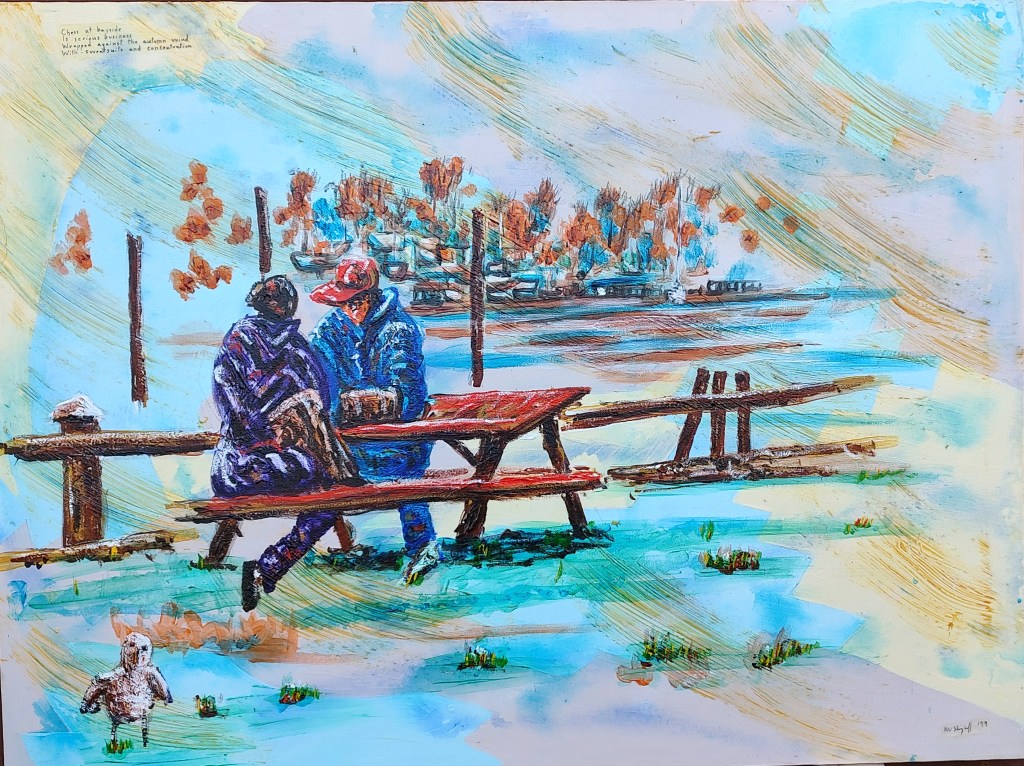
Acrylic on Canvas, 1999, 30×40
Chess at Bayside/Is serious business/Wrapped against the autumn wind/With sweat suits and concentration
More of my paintings and writing at: https://sites.google.com/view/cabinetofvanities
1999-ACV-30×40-004
Someone who accepts anything at “face value” is considered naive and shallow. We have been taught from the cradle that everything is complex, nothing is exactly as it appears, and if you trust your first impressions you will be in trouble .
A certain amount of cynicism is probably healthy. “Face value” is often only one aspect of anything. But – and this is the most important fact – it is usually the most important and obvious facet of anything. In many cases face value is all we need to judge things. A healthy looking apple is probably a fruit that is good for you. Something that quacks and looks like a duck is probably a duck .
One reason that everyone is so worried and nervous could be that they cannot take anything for granted. Maybe that apple is poisoned, or is overpriced, or represents terrible labor practices or elimination of nature or … Maybe that duck is really a clever robotic bomb. There is no end to the fractal, increasingly minor and implausible qualifications and contradictions .
And yet – we mostly exist at the level of “face value”. Sometimes it is a good idea to simply accept things as they appear to be, to not dissect them too deeply. Life and consciousness after all, are limited. Pursuing below face value may cost us much of our precious time, our happiness, and our sanity.
Like Sleeping Beauty, I’ll probably take a big bite of that delicious looking apple while the duck looks on and the hell with it …
Ponce de Leon is alive and well! The fountain of youth (for men) has finally been discovered! More testosterone will make them young, vigorous, sculpted, sexy and – of course – much happier than they are .
It’s natural! (So is arsenic.) Pay no attention to those doctors behind the screen muttering about side effects. It’s your life! Make it better !
This culture lives on advertising. Usually I enjoy the commercials and realize that most people have been immunized enough by constant exposure to retain a degree of skepticism. Even when I grew up long ago, comic books had full page ads on how Charles Atlas could help you fight off bullies kicking sand in your face .
Ah, but bodybuilding requires work. Curing “low t” is just a matter of taking a pill or enduring injection. Just like drinking from the fountain of youth. Hey, this smiling face promises, and he looks pretty honest .
We have become a culture looking for easy solutions, maybe because we have little time or energy for complex ones. Slogans to fix social problems. Pills for physical issues .
Hope, if not exactly a fountain, springs eternal.
 HuntingtonHarborThoughts