Beauty

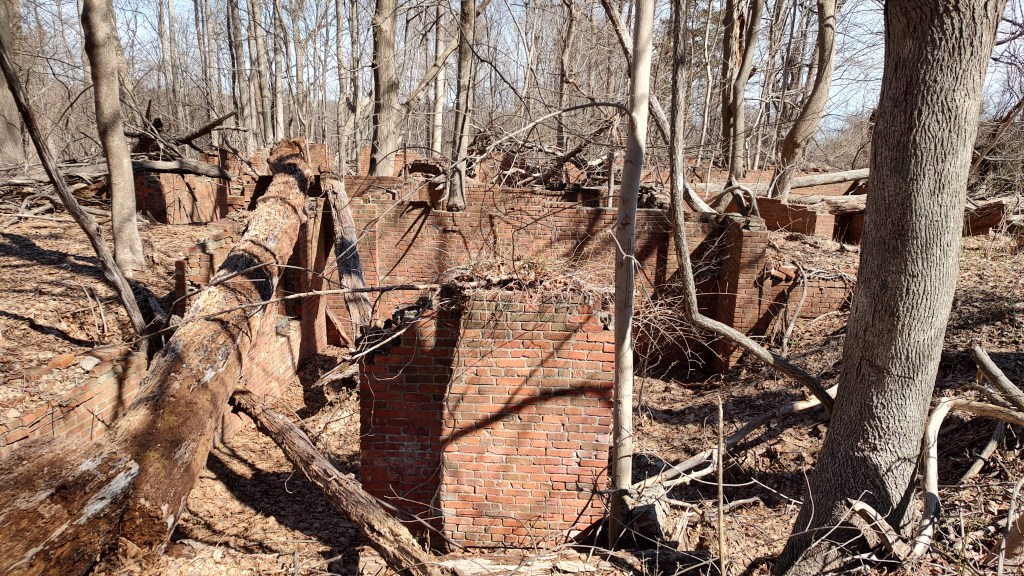
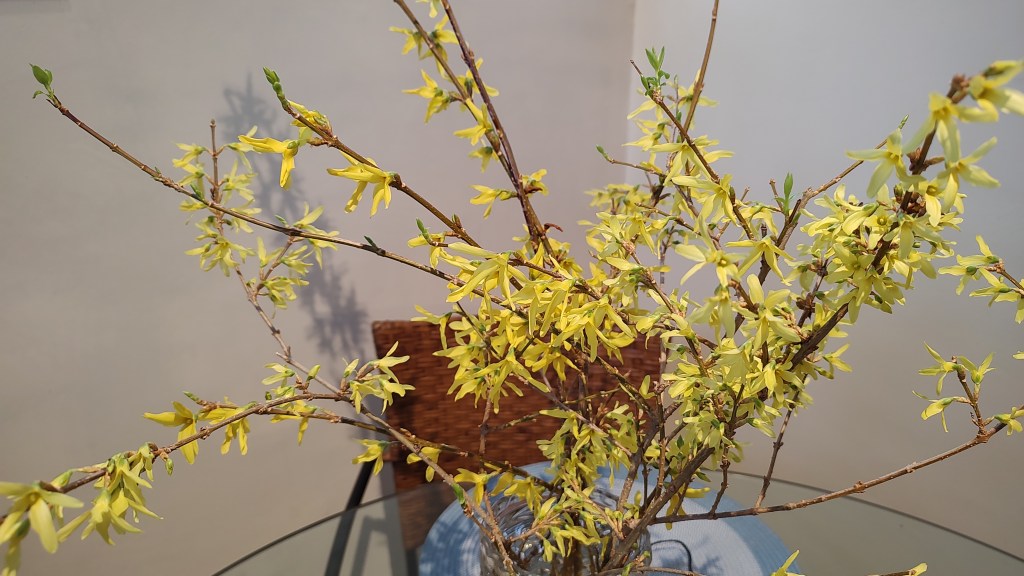
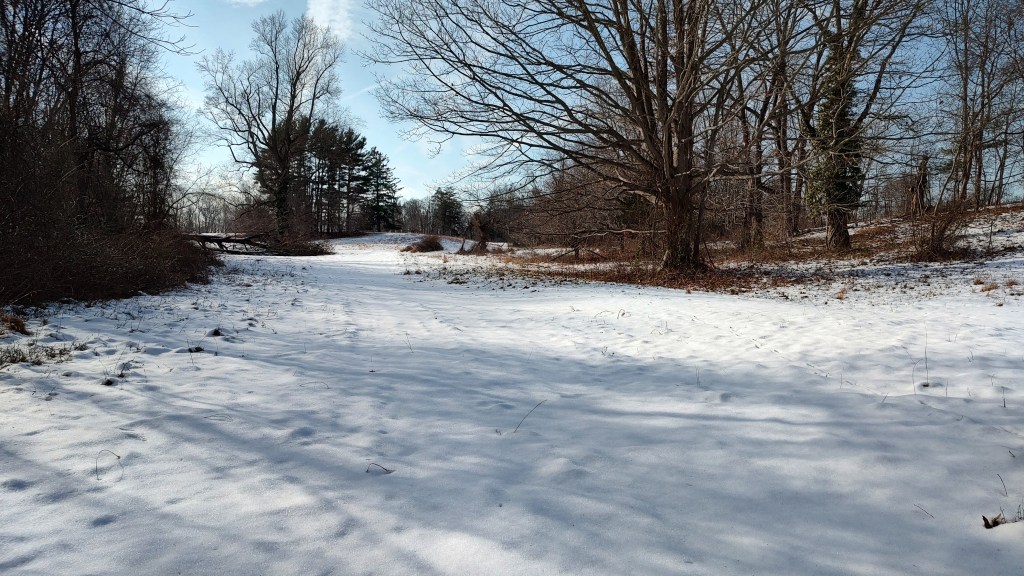
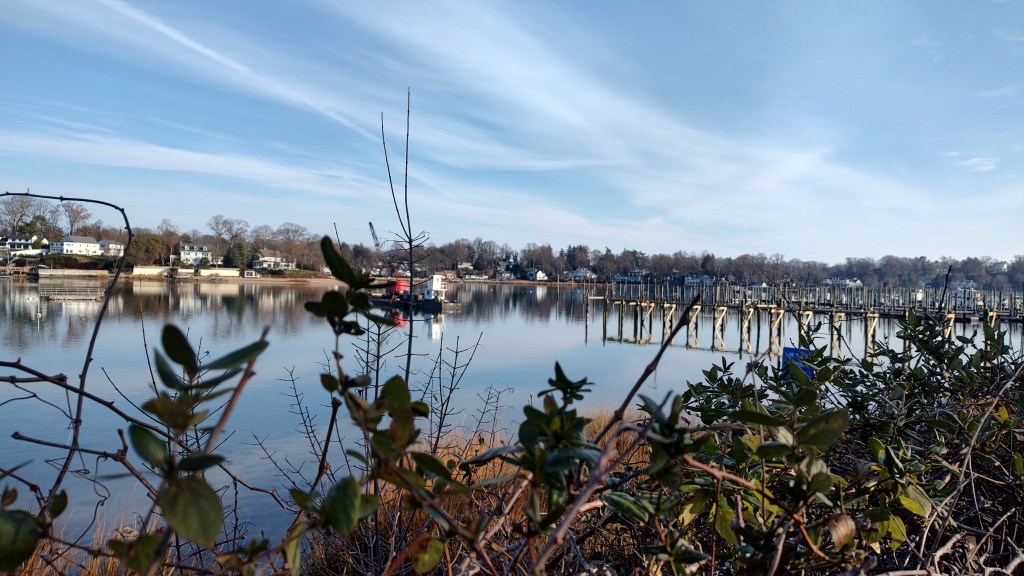
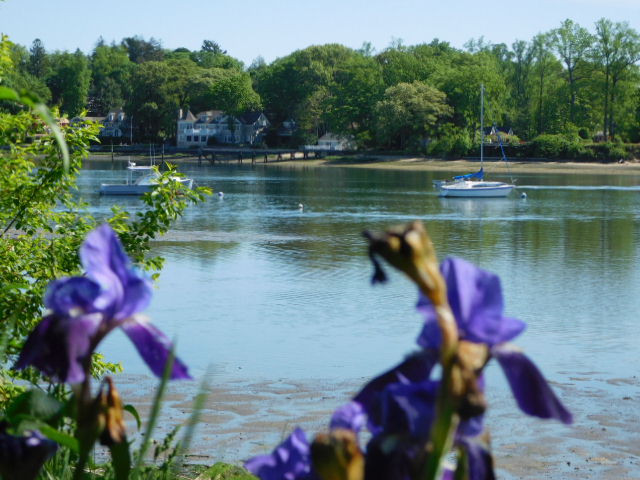
Like ” wrong”, beauty is one of those concepts that can never be simply defined. It depends not only on environmental and cultural factors but also on the mood of the observer. We can often agree, but almost as often argue with others and even with ourselves .

It’s fairly safe to say that even considering beauty requires a sense of security within the observer _ you can hardly appreciate the loveliness of a forest while being chased by a bear. . Whether something is beautiful or not occurs way down on the scale of evolutionary fight or flight. A great deal of the time, most of us hardly notice it at all .

We assume that – like other odd traits – there must be SOME biological reason we can respond to beauty. Perhaps it helps social solidarity. Perhaps it is a shortcut to relaxation. Certainly nothing obvious .

I have noticed that in my own life the idea of beautiful has evolved as I age. When young, it was primarily biological. When older, mostly cultural. And now, in an elder, much more simply appreciation of all that is and how it fits together. A miraculous and – yes – extremely beautiful universe .

At least when I am happy, secure, and not doing too much .

Light Lessons

My wife usually gets her hair “done” in a salon,. When she gets home, there are inevitable complaints that it “looks different”. Of course – the lighting is changed .

There have always been different light effects – sunset, noon, overcast. And artificial from candles, gas jet, incandescent. In the era of LED, any “temperature” of red or blue or green or yellow mixture can be served up, bright or dim .

We deal with all this amazingly well. Red usually looks red. A landscape picture resembles itself in almost all conditions. But that should indicate to us just how amazing our vision is – both raw data gathering and interpretation .

Painters always knew this. Patrons who bought things done under “Northern light exposure” in studios rarely hung their purchases under similar conditions. Poor artists’ dimly lit barns had different lighting then when the work is hung in a brightly illuminated museum. And forget trying to recreate the conditions of “plein aire” .

My lesson is that much of our life is like this. We may think things are exactly the same, but only because our brains automatically adjust to what are objectively quite different events. It’s part of our amazing ability to compose and generalize, the core of our knowledge. 

Not quite obvious, and easy to ignore. Until the hair looks entirely different … 

Age and Tide

There are multiple ways to turn any natural observation into a metaphor for our lives. Having lived near the sea for most of my life, I am well aware of tides. Age often leaves us casting about for glimmers of cosmic understanding wherever they may occur.

The most famous metaphor is of course King Canute, ordering the tide to cease. A symbol of the uselessness of trying to prevent the inevitable. More deeply, a warning of how stupid it looks to attempt what common sense knows is impossible .

But there is also the idea of ebb and flow, high and low, translated to good times and bad. There will be in any life joy and pain, both of which usually pass one to another in a complex but inevitable rhythm .

For an older person, however, there is yet another lesson, which relates to deceptive normality. The high water mark is indicated with only minor variations day to day and season to season. But suddenly that can change in storm or tsunami, and rage well beyond what we thought we understood as limits. Leaving behind destruction and _ of course _ death .

So here we are, metaphor in hand. Is this next problem merely a usual tide or something worse?

It’s easy to become anxious when the predictable breaks the rules .

Learning to See

Seeing seems completely obvious to us, but computer researchers have discovered just how weird it is. We combine binocular vision with experience to create objects – some as they are, some different, some imaginary. Nothing is really “objective” or “true”. More than that, we constantly select and focus. Our vision keeps constantly shifting second by second. We learn to find what is relevant to us. A hunter sees signs of prey or movement in the grass. A developer or general maps terrain to possible advantage. Artists look for patterns that are beautiful or interesting .

When I start to sketch, after a period of inactivity, the first thing I notice is how odd my results are. Stuff seems the wrong size or color. Nothing matches what would be on a photograph of the same view .

Ah, that’s a modern dilemma. Old paintings, especially pre-renaissance, had less strict rules – or the rules were different. Important people, for example, were usually larger than less important people. Certain conventions – “city walls” for example – were almost pictograms. Oh, some work was magnificently “realistic” – cave paintings, Roman mosaics, Chinese flowers and birds. But all saw in certain ways, and accepted certain conventions .

As do I. My sketches try to become more and more like photographs. I resist the tendency fiercely, but I am losing. That tension actually provides a lot of entertaining, engrossing, fun. 

Lines and Shadows

Art instruction books often begin by stating “there are no lines in nature.” Which is obviously, annoyingly, both true and false. “Nature” may not have a horizon “line” drawn where earth meets sky, but people certainly perceive that line. As do their mechanical devices .

So beginners always start with lines. Kids outline flowers and houses in their first drawings. Stick figures, on the other hand, are abstract ideas of people like Mommy or Daddy with important bits – torso, limbs, and head – largely symbolic.

Shading is just as strange. Mostly we perceive shadows as darker shapes, but impressionists found them more real by adding colors .

The point of all this is that very little – even human basic perception – is quite as simple as it appears. This has been driven home lately by how much trouble computers have interpreting visual information like boxes in a pile .

Beyond that, things like lines and shadows require some concentrated imagination which is one of the reasons most of us like drawing and other visual arts. Not because it is “true” but because it is “fun” .

No lines in nature. An awful lot in our heads .

Fire, Flood, Drought

“Everyone complains about the weather, but nobody does anything about it.” In this era of massive technology, scientific hubris claims we can . Geo engineering concepts abound, from seeding the oceans, to sulfuric acid clouds and/or reducing certain gas emissions .

So far, it does seem the climate is more extreme. Bigger storms, major variations in “normal patterns.” Pretty clearly this is not simply “better weather reporting”. But equally, it is not immediately disastrous to everyone, nor an existential survival threat .

It may be humanity can change things. If not, some small fragment of our bloated numbers could probably survive anything. Famine and catastrophe first, of course .

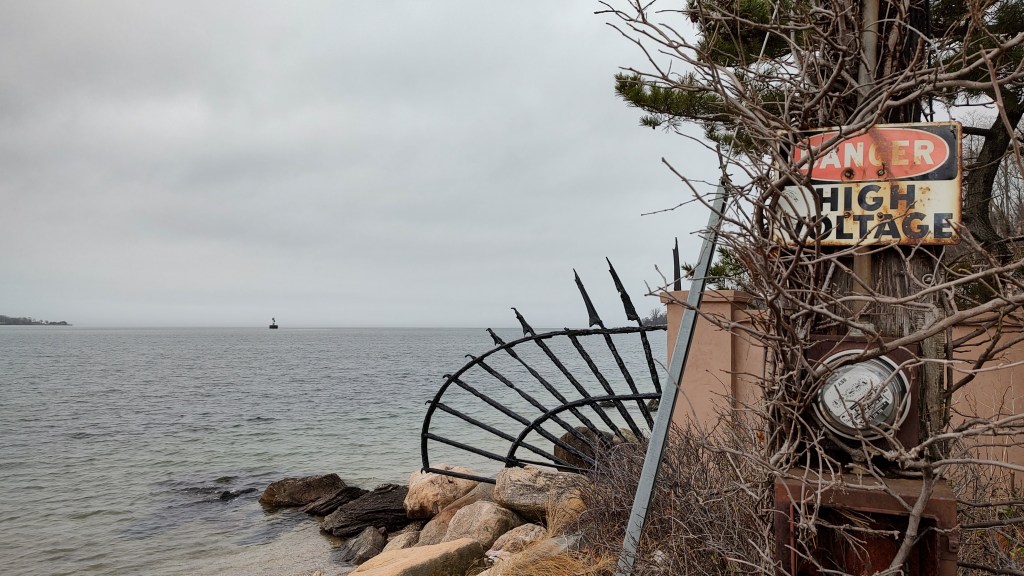
But what does it mean to me and you? Obviously most of us should avoid building or living in river valleys or on sandy barrier Islands, among other adjustments. But personal changes are largely symbolic, especially if they are not normalized for everyone. 

Brushing my teeth more quickly or dashing in the shower do nothing unless everyone is forced to do so. Also what kind of car I drive or what I eat. Giant problems, unfortunately, require giant solutions. Feeling virtuous about my CO2 footprint is like feeling lucky when I throw a coin down a wishing well .

In the meantime, I better fix my leaky roof. 

Sun Worshipper

An old science fiction novel called the sun “lifegiver.” Obviously true, because without the sun (exactly as it is and has been) there would be no life on Earth, never would have been any life on Earth, never you or me. If it went away this afternoon forever none of us would last long .

Science simply confirms what is intuitively obvious. Solar mythology has existed throughout history and surely long before. Sun dictates our lives, better or worse. At sunset it is normal to evaluate the events of the day, at sunrise it is easy to rejoice .

The sun commands an austere respect. Its location and path cannot _ even in the most fevered visions – be changed with prayer or other magic. Asking it for rain is futile – better to beg clouds – even though without solar evaporation there would be no rain ever .

Now we are ” sophisticated.” We create light in darkness. We know the sun is “just” fusion energy. Some of us concentrate on more important things (like the internet) and ignore it except on special occasions .

A lot of the time, the sun helps me concentrate my exaltation in being conscious. I try not to take it – or anything else – for granted. It is a wonderful aspect of the universe on which to center. And it demands nothing more – or less – then that I be enchanted with being .

Lifegiver indeed .