Monday
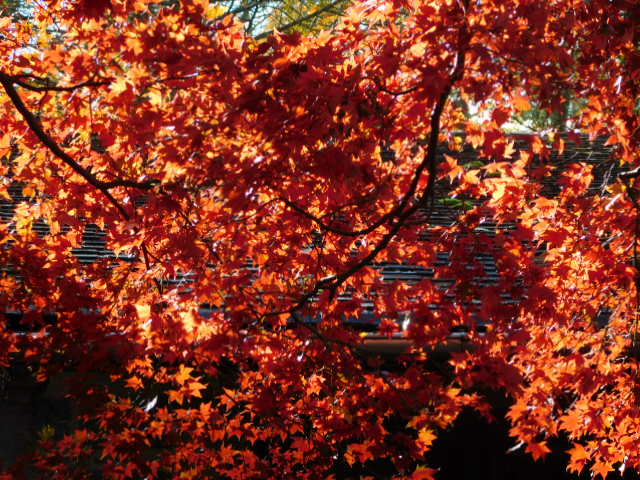
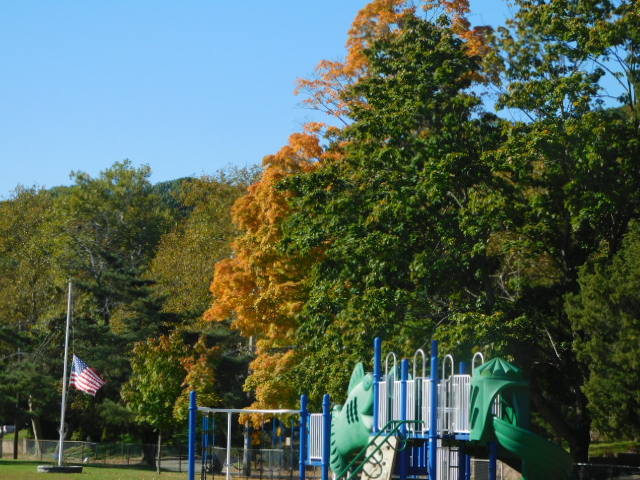
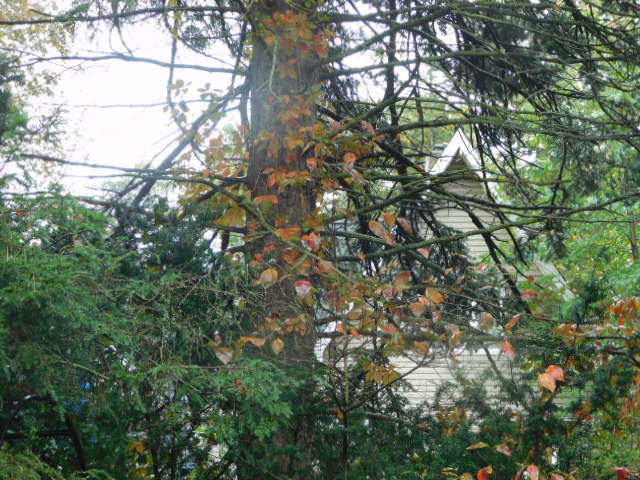
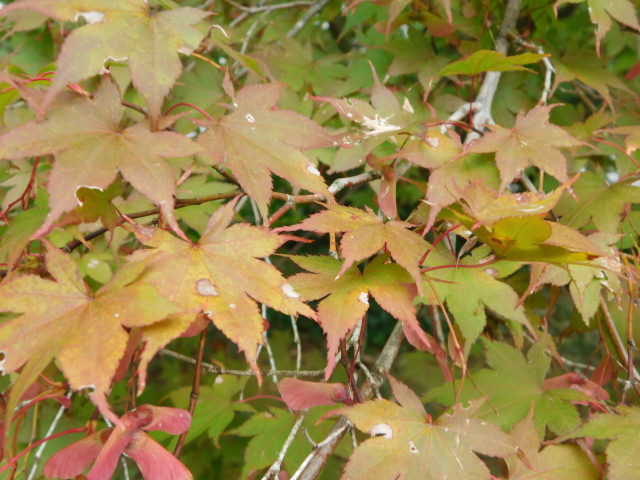
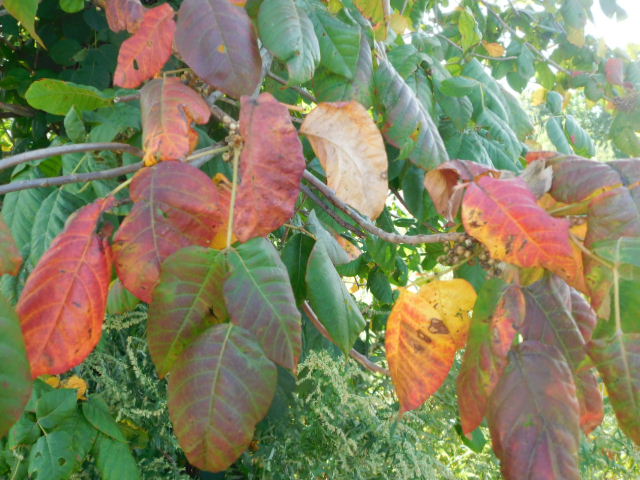
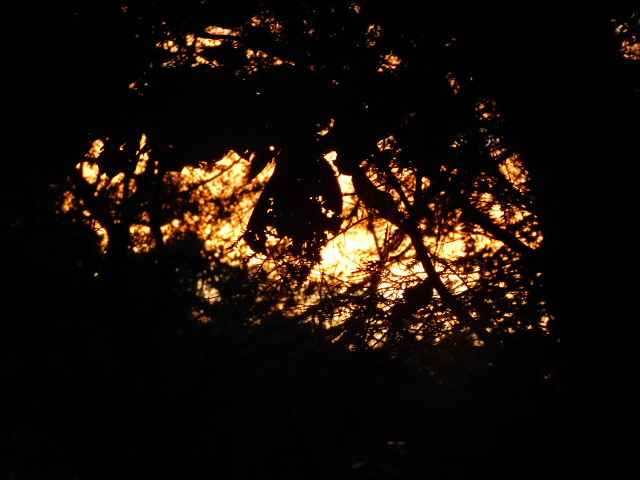
Morning sun through Japanese maple leaves generates an incredible stained glass magnificence.
- These days I always seem to be in the best of times, with the fear of the worst of times upcoming. Every morning I am infinitely grateful for all I have, tangible and intangible. My particular life is a festival and wonder. My worst sin would be not recognizing that is so. Thanks on any given day are required.
- This culture always expects a “but.” There are always counterarguments to optimism, happiness, and hope. I hear them all the time; I try to resist. When I do, even I recognize I sometimes seem like some shallow bumpkin unable to appreciate the cares and woes of the adults in the room.
- I try to purge myself of envy of those who seem to have more. I try to avoid guilt for those who have less. I try to appreciate each moment as the treasure it is. And I work on shoving most of my worries into the constant future where they belong.
Tuesday

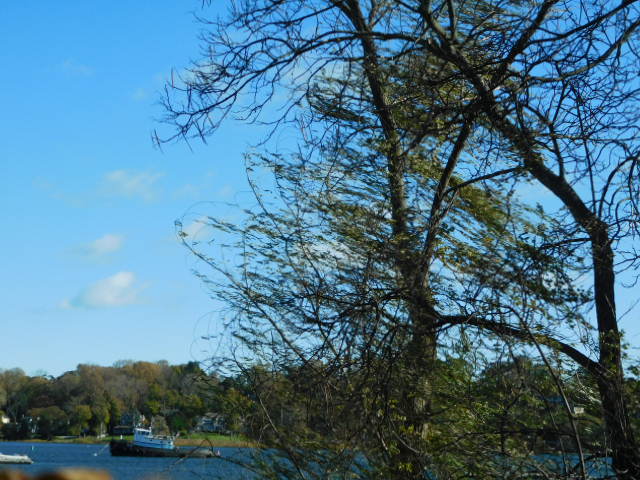
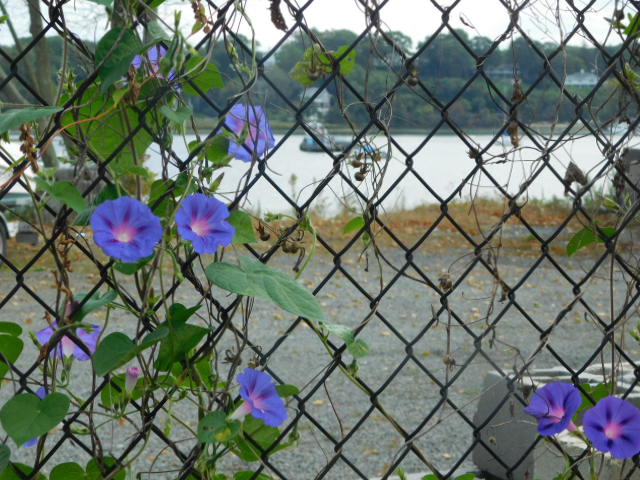
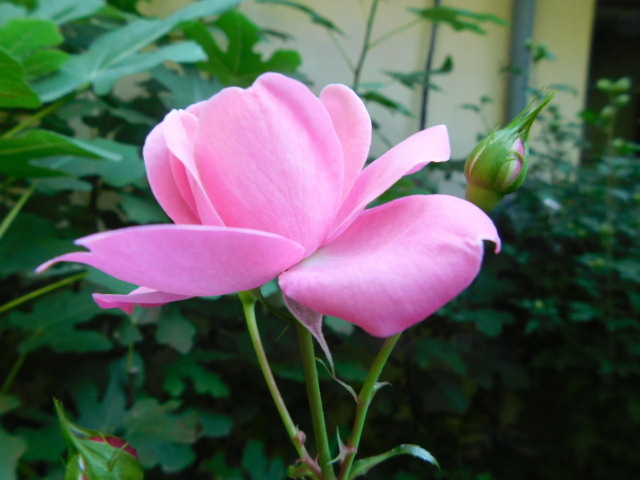
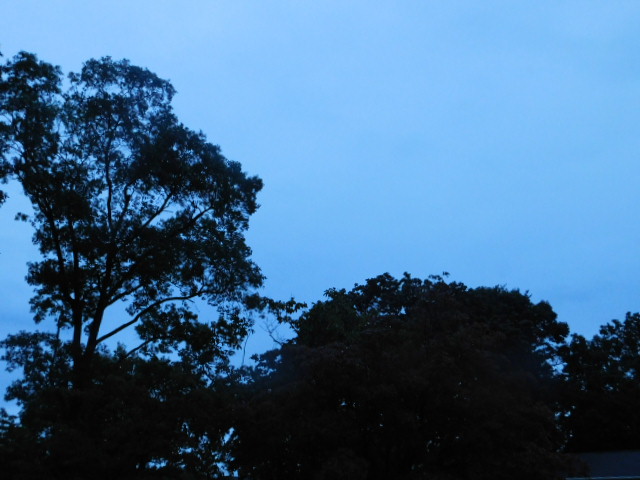
Temporary near-break in thick wind clouds provides all the drama this cold morning.
- My amazement starts with breakfast. I know slow eating has become a cultural phenomenon, but mine is more basic. I consciously pause a few of my usual spoonfuls of Cheerios and fresh berries to regard them as miracles. Think of sowing and growing and harvesting and preparing and transporting and selling and then the fact that I have the means to purchase. It is a stream of commerce I can hardly comprehend. And it happens every day, not just on one or two special times a year.
- The little things that everyone _ and I admit myself _ takes for granted are everywhere. My house is warm and dry. A hot morning shower was all but unknown less than a century ago. I am more concerned with keeping my weight down than going hungry. Electricity does my bidding _ but you know how it goes on and on.
- I cultivate this sense of wonder and try to find at least one aspect of daily to marvel at. It is scary to realize how tangled our comfortable lives are, and how quickly it might all go wrong.
Wednesday

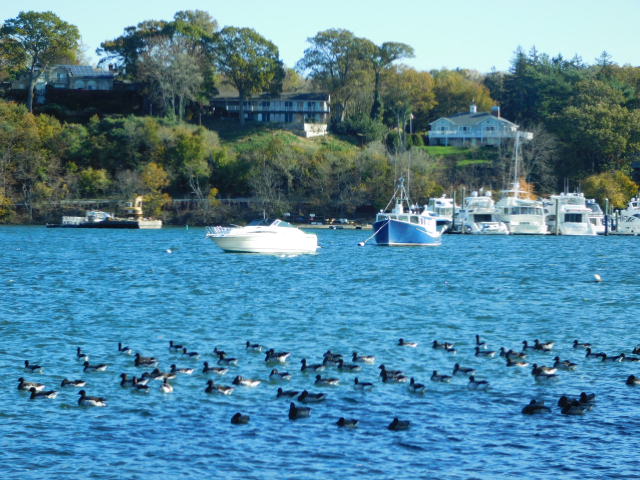
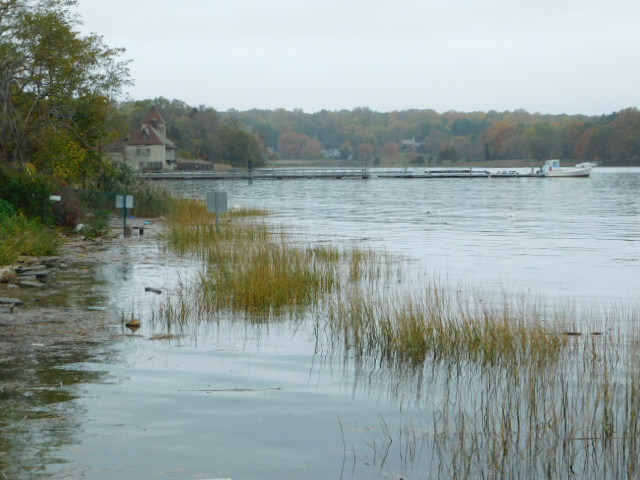
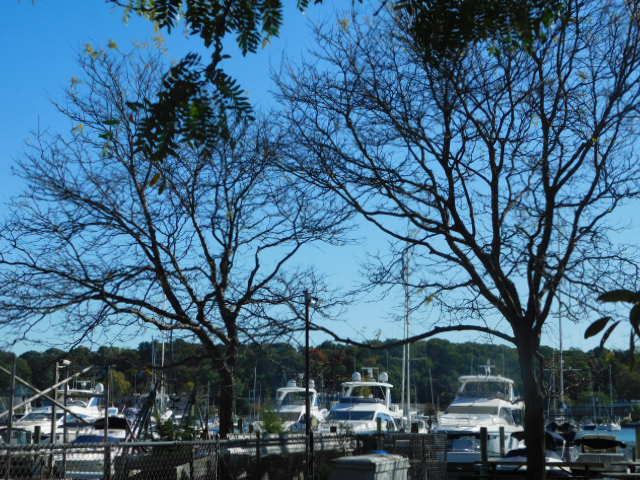
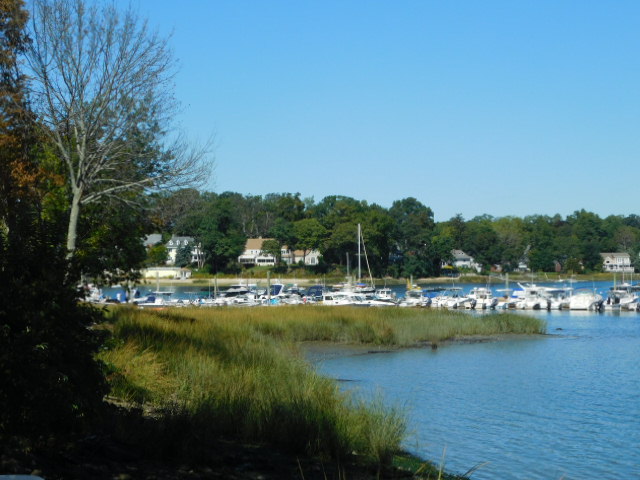
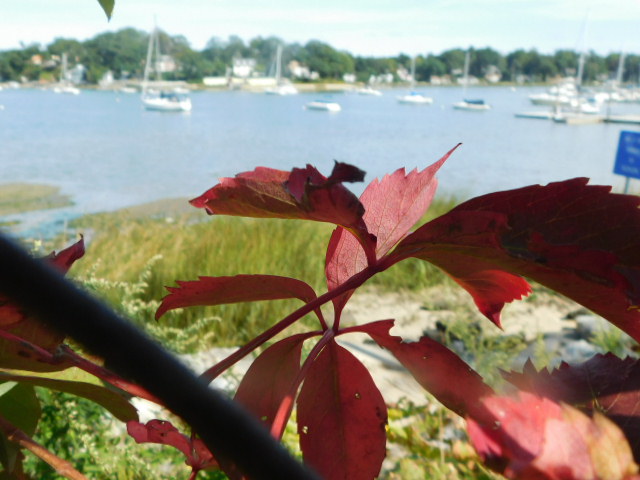
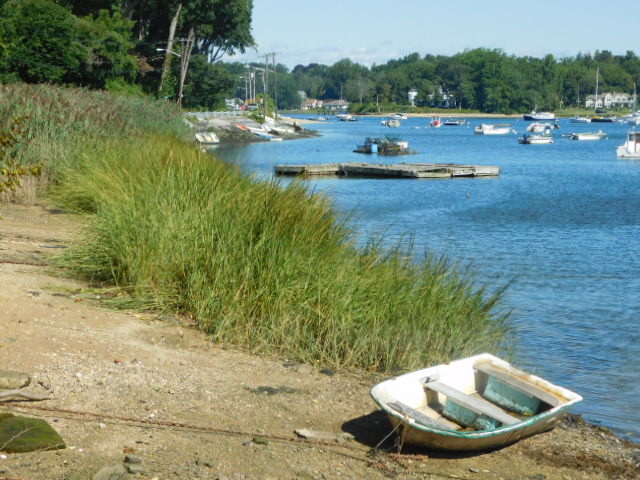
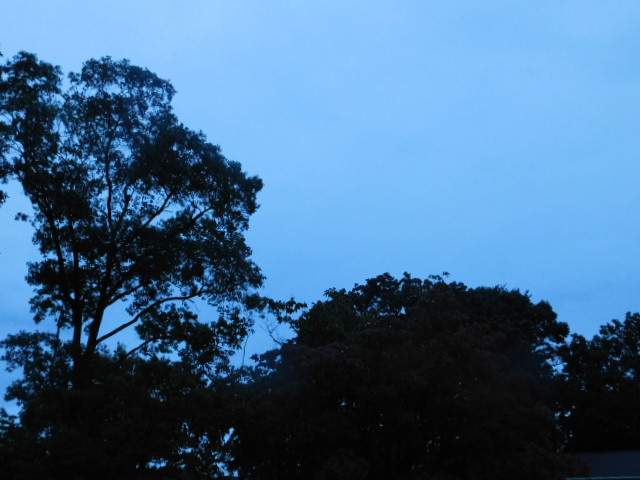
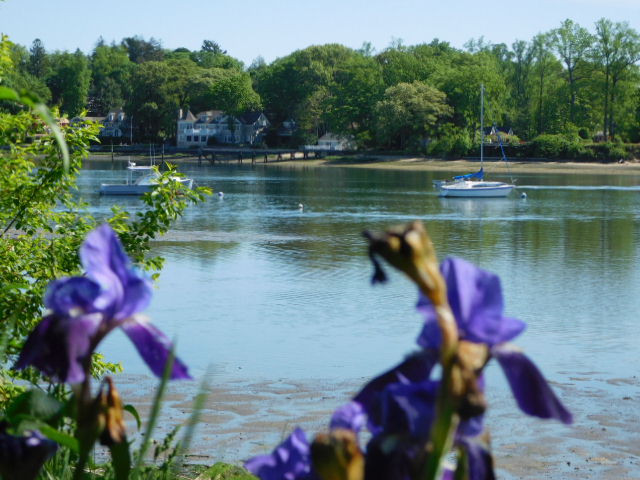
Light blue sky, dark azure water, white blazing sun shines on trees shedding leaves, harbor losing boats.
- “Wheat and tares together sown …”
- We still do not know what to do with human weeds in civilized fields.
Thursday

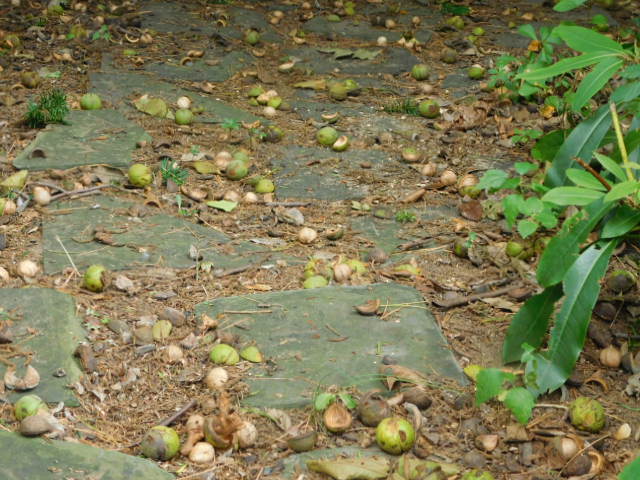
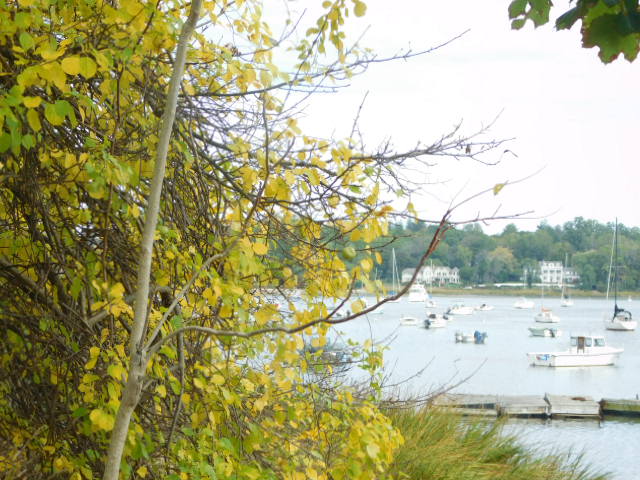
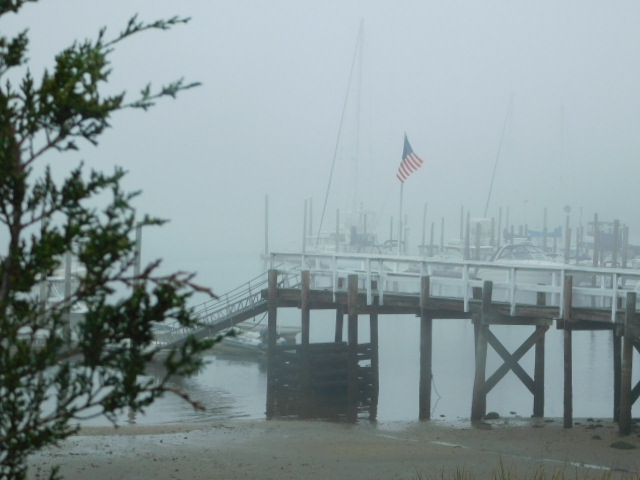
Solitary leaf presides over a dark scene presaging winter.
- Awe is essentially a religious feeling, far deeper than mere appreciation. Awe involves suddenly being struck by the immensity of everything and how impossible our existence is. For example, I can never comprehend the fact that I exist _ my trillions of cells, billions or trillions of synapses possibly outnumbering stars in the universe, my ongoing microsecond chemical changes everywhere in perfect harmony and furious activity. And that is before I even open my senses and look at what is around. Before I even remember there is a past filled with more miracles. Before I have time to worry about what it all means or is it connected or might there be some grand unknowable plan.
- Logically minded scientific principles would seem to narrow this to less infinite answers. But science never avoids awe. The more that is known, the more ridiculously impossible our lives seem. The more incongruously joyful my life has been. I cannot even begin to understand, for that matter, the foundation of my most important traits such as the ability to sense happiness.
- This holiday, I pledge to cultivate awe more assiduously. Awe of being as a foundation for religious impulse is probably completely “meet and proper.”
Friday

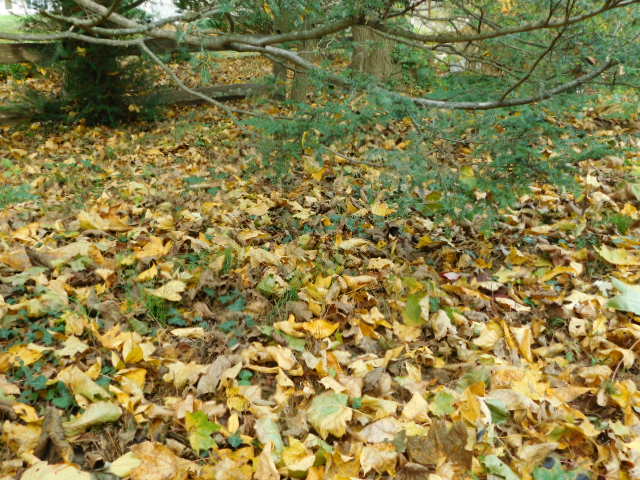
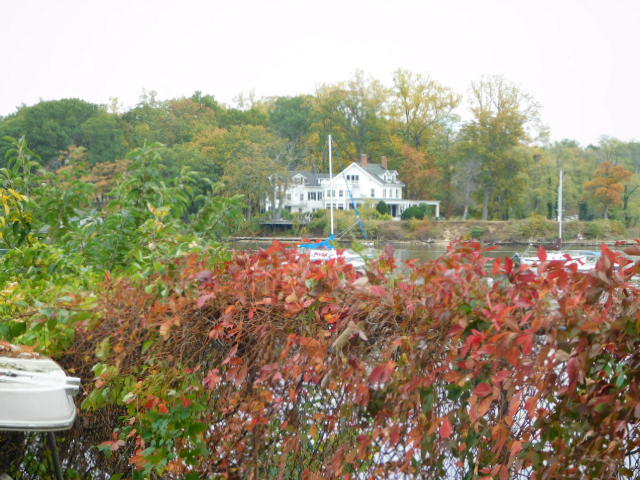
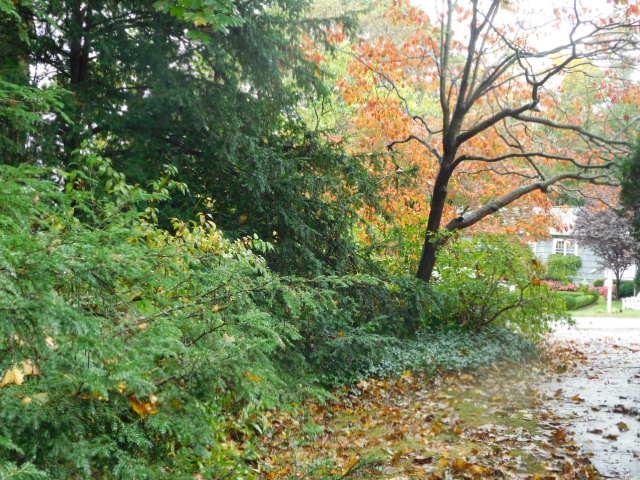
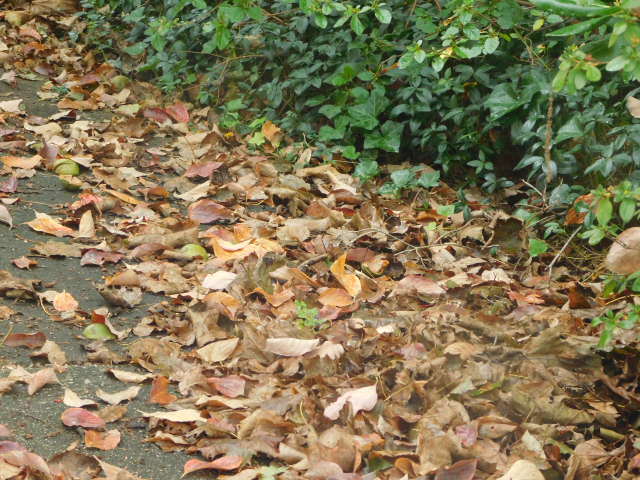
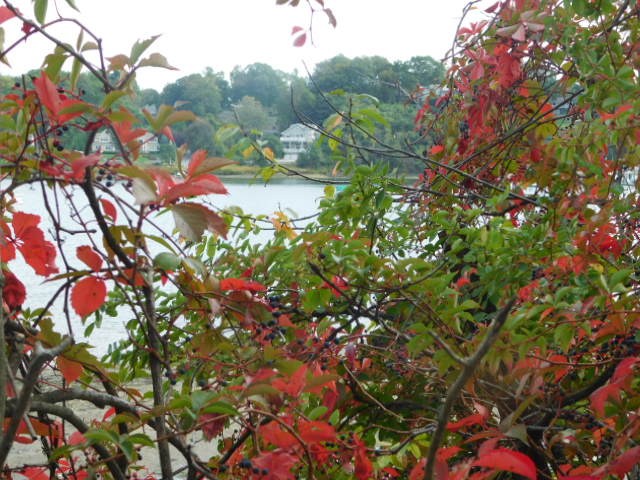
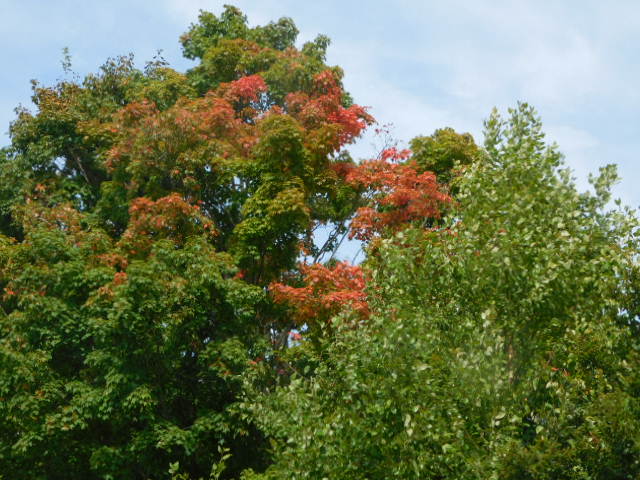
Final fall colors blaze before endless wind and rain herald the new season.
- Leftovers are often served with gravy. In the fifties, gravy was a standard way to hide odd flavors or to extend food. Gravy was found on many of my dinners, on school lunches, on commercial offerings, on the brand-new frozen TV dinners. That gravy of old was thick, and rich, and salty, and fatty, and made poor pickings seem elegant.
- But, by the same token, it was a lower middle class standard. Wealthy people might eat roasts “au jus” but creamed and gravy-laden fare was for stick-to-the-ribs working folks. The “gravy train” _ a ticket to work a little less for a secure income _ was an aspiration of those whose lives were filled with relentless jobs and barely adequate income.
- With increasing wealth and choice, gravy and cream are rarely featured on recipes, except at nostalgic moments
such as with Thanksgiving turkey. Those who embrace the imagined glow of such times should sometimes reflect on what gravy _ and for that matter feast days themselves _ imply about normal life the rest of the time.
Saturday
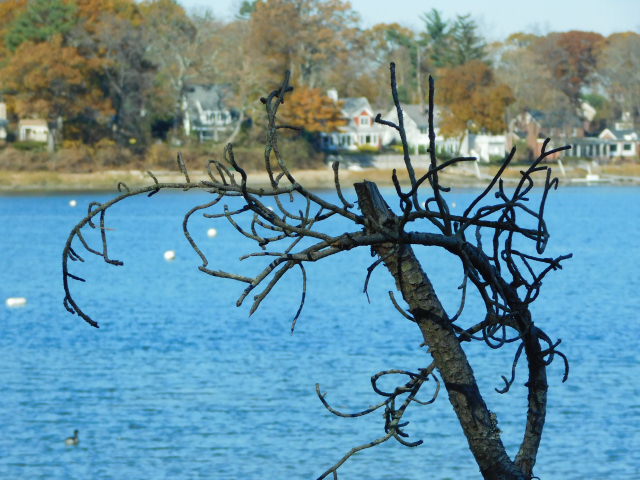
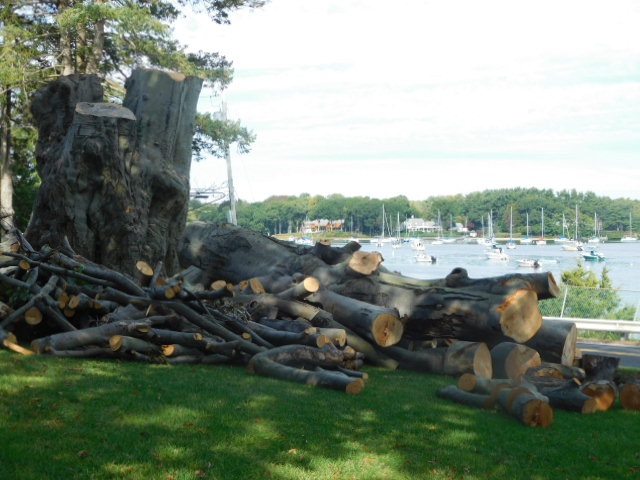
All that remains of a once-vibrant pine along the shore, the last of its kind in that habitat.
Joan and I sit alone, dining on remembrances this Thanksgiving.
“Oh,” she says with a sigh, “I miss those old days with everyone here.”
“Yeah, I know,” I reply. “Your Mom cooking, your Dad proud, brothers chatting while young kids run around and your cousins and aunts stopping by all day, maybe us visiting around a little.”
“Wasn’t it all amazing? What happened?”
“Death, of course. Growing up. Moving away. You know that. But we still have the memories of good times.”
“It’s all changed now,” she complains. “I wish we could at least get our kids to come back.”
“The world itself has changed,” I say for the hundredth time. “Greg has to work, Wayne is too far, and we ourselves are a little too busy and tired to rush about visiting.”
“But it should be more special.”
“Maybe. I don’t think so. Every day is special, and we can always have another dinner when they are here.”
“It’s not the same,” she claims with finality.
Sunday

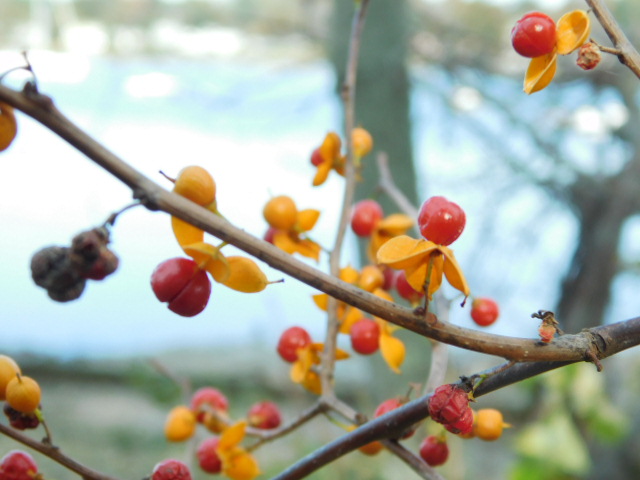
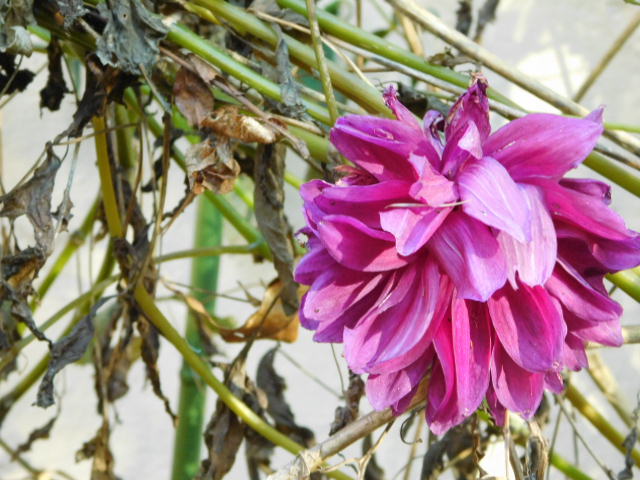
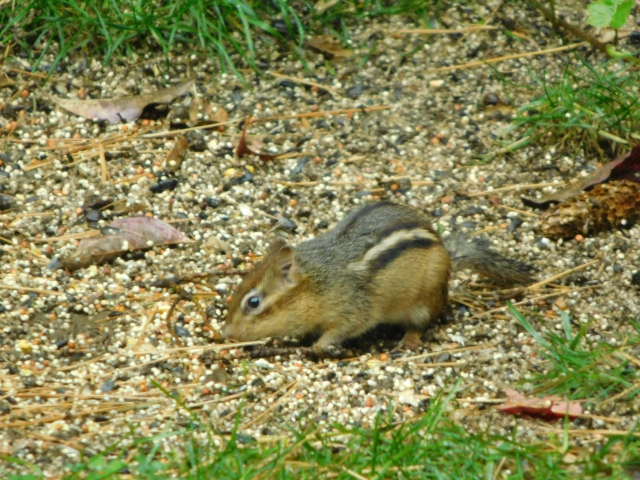
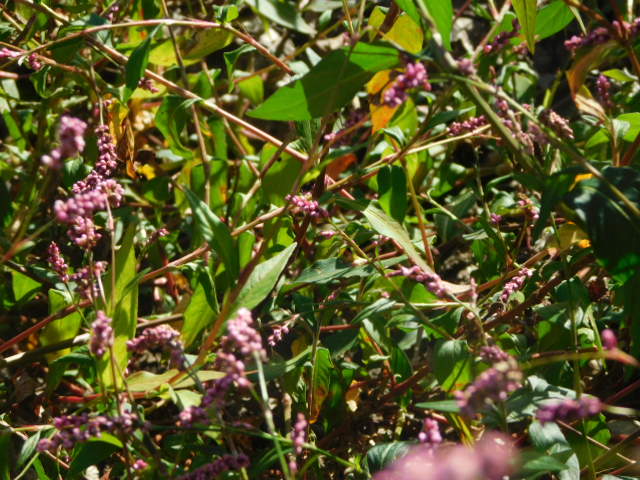
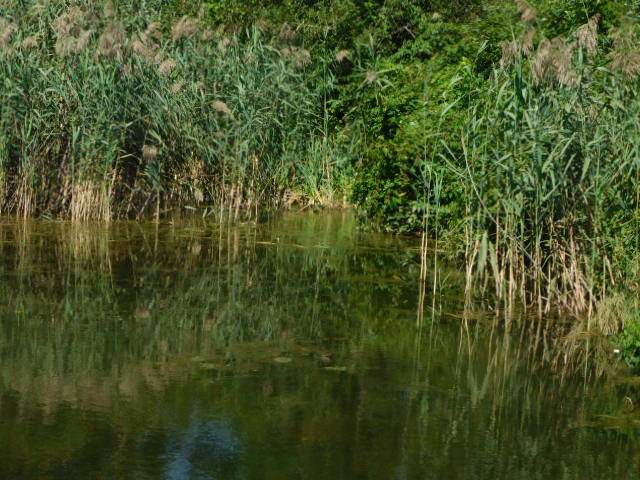
Last seeds cling to dry stalks as autumn winds shift to winter strength and night chill turns to freeze.
Amazing grace, a pretty tune
Used too frequently
I don’t feel at all like a wretch
Though I may sometimes seem one
My universe is more eternal than ten thousand years
And encompasses infinite realms real and unreal
What I experience in my universe is all the universe there is
As is your own
Solipsistic madness perhaps
More likely truth.