
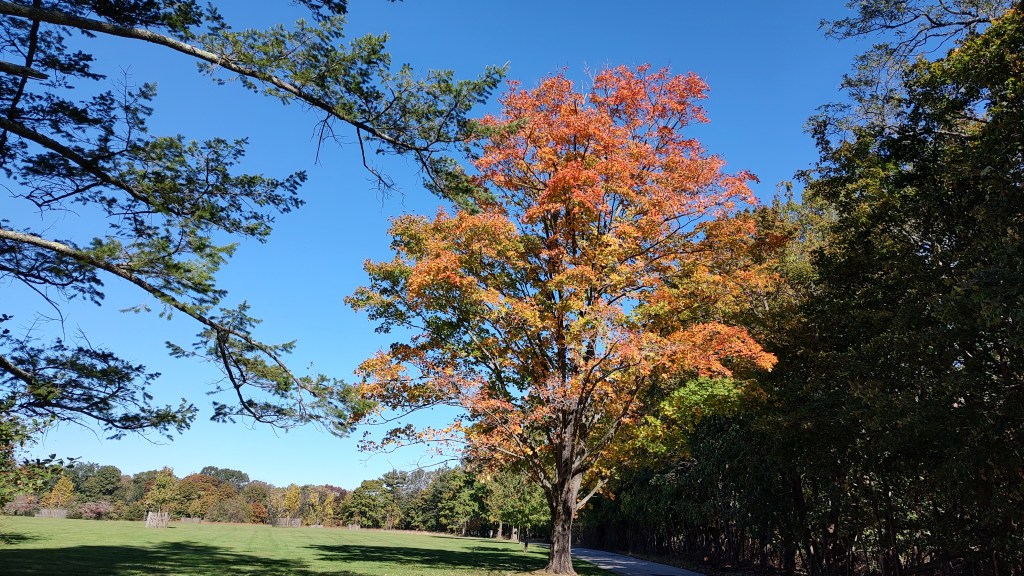
1913

In autumn of 1913, the European-American world was content, fat, and happy. Europeans controlled the only areas of the globe and culture that they thought mattered. Americans led an exceptional city on a hill advancing to a perfected future. Both felt they were chosen, the rightful rulers of all others, and the guardians of civilization itself.

Intellectuals agreed. Countries were either stable or subdued. Logic and science were taming human irrationality, commercial interconnection made major war impossible. Henry Ford and others were demonstrating just how affluent modern mass production could make everyone. If anything, the rulers and masses were a little too complacently optimistic about the future.

Even the social unrest of the previous 50 years seemed to have settled down. Fiery socialist, communist labor agitators were more conciliatory. Gigantic strikes and revolutionary ideas were confined to a few backwaters. Even those short in duration. Most folks were fed, housed, and felt better off than they had ever been, expecting ever greater things to come.

Who could have predicted the next 40 years? What happened?

Even now, it’s hard to comprehend. One thing just led to another. At the end of it all, many smoking ruins, millions dead, politics unrecognizable. The very divisions of the political globe massively reshaped. And in spite of it all, massive technological industrial advance.

Yes, I do feel that September 2026 feels a lot like that autumn over 100 years ago. And, although I think some people feel the same way, I am pretty sure once again nobody has a clue what will come, or how to affect it.

AI Nightmares

A group of researchers have just claimed that artificial intelligence could destroy humanity within 10 years. It joins a long list of other scenarios from nuclear war to designed disease. Ours has been an age facing catastrophic end-of-everything fears for some time.

I’m convinced that any of an awful lot of things could totally and civilization as we know it. Not so sure about ending humanity – people are numerous, tough, and resilient. Hard to imagine nobody making it through an apocalypse.

Unlike many of the current explanations, my take is that AI would not direct the event, but would act as an enabler for some human agency. It is easy to imagine using AI to start a war or build a plague, for example. Alternatively, systems could easily and quickly become too AI dependent, meaning any breakdown or incapacity would kill millions or more with utility, food, distribution outages.

But AI actively ending humanity? I think not. It has no hormones, after all. And this evil monster has a pretty exposed brain in its data centers and power sources. Not to mention vulnerability to a strong EMP or direct missile explosion.  We tend to forget how much of our own evolution has been guided by self protection – of which AI has little.

Anyway, it really is just one other worrisome possibility, to add to those of an old guy who grew up hiding under desks for protection from World War III.

Que Sera

“Que sera sera, whatever will be will be”, a song from childhood. Nice to embrace as one grows older, but in opposition to progressive capitalism .

It’s kind of a variant on “accept God’s will”, a mantra in some form of almost every religion. So obviously it has relevance to just about how everyone considers life, at least part of the time. Find the good, enjoy the moment, do what must be done, “Don’t worry, be happy” .

Of course we also have that old standby “carpe diem”. Seize the day, grab opportunities, define goals, change things you don’t like. There is no shame in failure, only in never trying. 

Two conflicting outlooks. Hegel might claim that of such opposites a synthesis could be formed. But that is wrong. Instead we fragment our times, finding some moments when one approach applies, others when the opposite is appropriate, a lot of situations when neither quite fits .

For me, the resolution has been that rigid dogmatism is useless in life. A person who never lifts a finger is frequently a useless drudge. A maniac who is always taking risks may destroy our community. So we end up back with another aphorism – “moderation, even in moderation” .