
More paintings and info at: https://sites.google.com/view/cabinetofvanities
Acrylic on Canvas,, 2000, 30×40
Dark clouds attracted me/white gull startled me/insistent wind endlessly/gusted towards tomorrow
More paintings and info at: https://sites.google.com/view/cabinetofvanities
Acrylic on Canvas,, 2000, 30×40
Dark clouds attracted me/white gull startled me/insistent wind endlessly/gusted towards tomorrow

More paintings and info at: https://sites.google.com/view/cabinetofvanities
Pastel and Ink on Canson,, 2025, 9×12
Old shack long gone/Old man too/In nearer future/I, my paintings, also
More paintings and info at: https://sites.google.com/view/cabinetofvanities
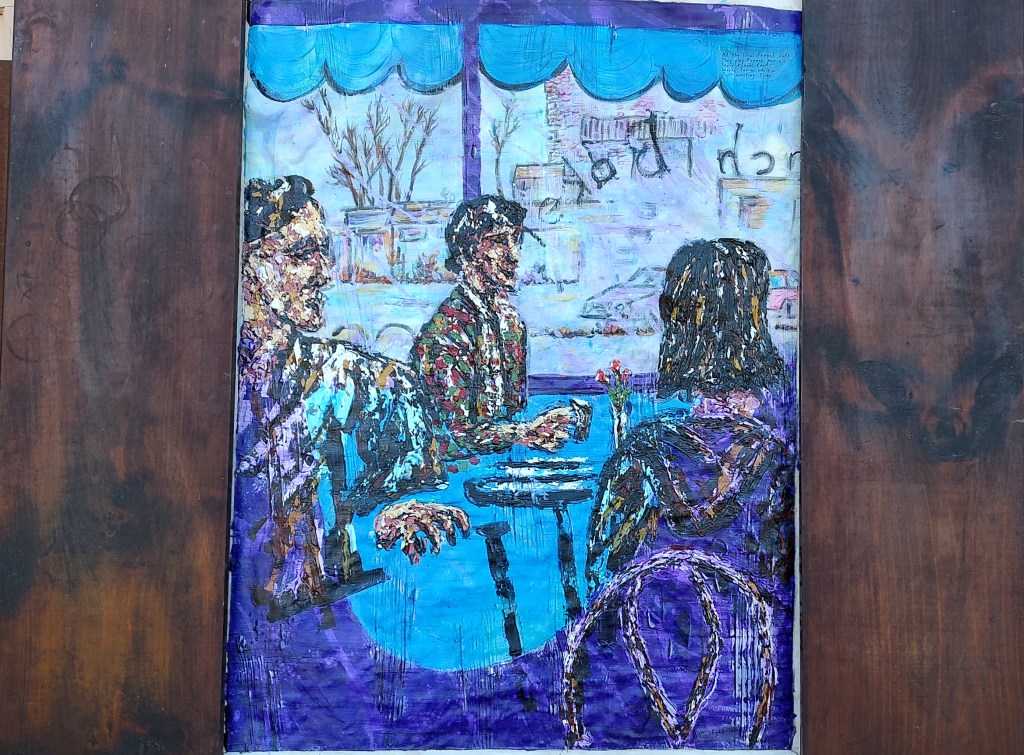
Acrylic on Canvas, 2005, 30×40
At the local French cafe/they play French music/serve French food/works for a while _ just wasting time
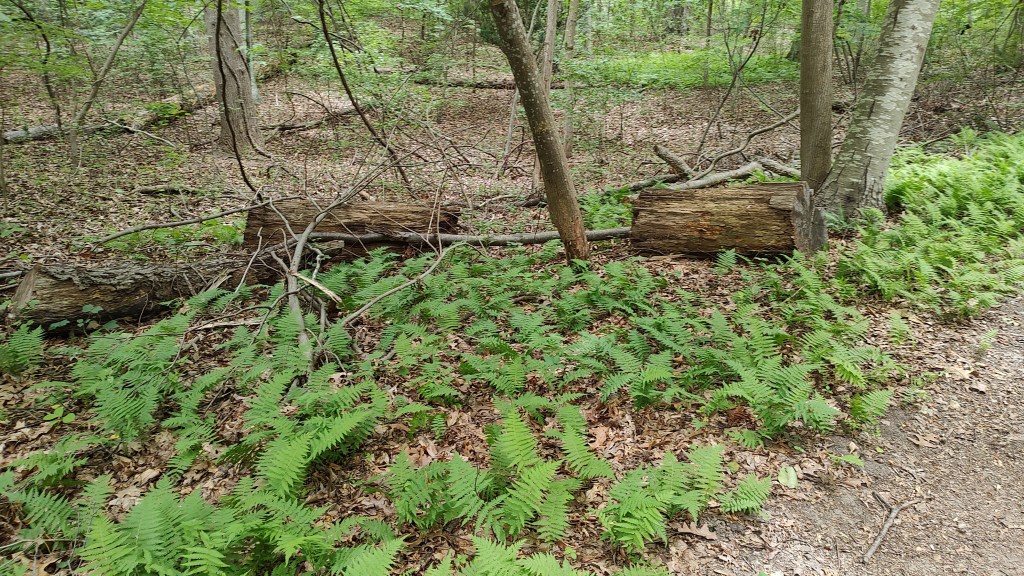
Seeing seems completely obvious to us, but computer researchers have discovered just how weird it is. We combine binocular vision with experience to create objects – some as they are, some different, some imaginary. Nothing is really “objective” or “true”. More than that, we constantly select and focus. Our vision keeps constantly shifting second by second. We learn to find what is relevant to us. A hunter sees signs of prey or movement in the grass. A developer or general maps terrain to possible advantage. Artists look for patterns that are beautiful or interesting .
When I start to sketch, after a period of inactivity, the first thing I notice is how odd my results are. Stuff seems the wrong size or color. Nothing matches what would be on a photograph of the same view .
Ah, that’s a modern dilemma. Old paintings, especially pre-renaissance, had less strict rules – or the rules were different. Important people, for example, were usually larger than less important people. Certain conventions – “city walls” for example – were almost pictograms. Oh, some work was magnificently “realistic” – cave paintings, Roman mosaics, Chinese flowers and birds. But all saw in certain ways, and accepted certain conventions .
As do I. My sketches try to become more and more like photographs. I resist the tendency fiercely, but I am losing. That tension actually provides a lot of entertaining, engrossing, fun.
More paintings and info at: https://sites.google.com/view/cabinetofvanities
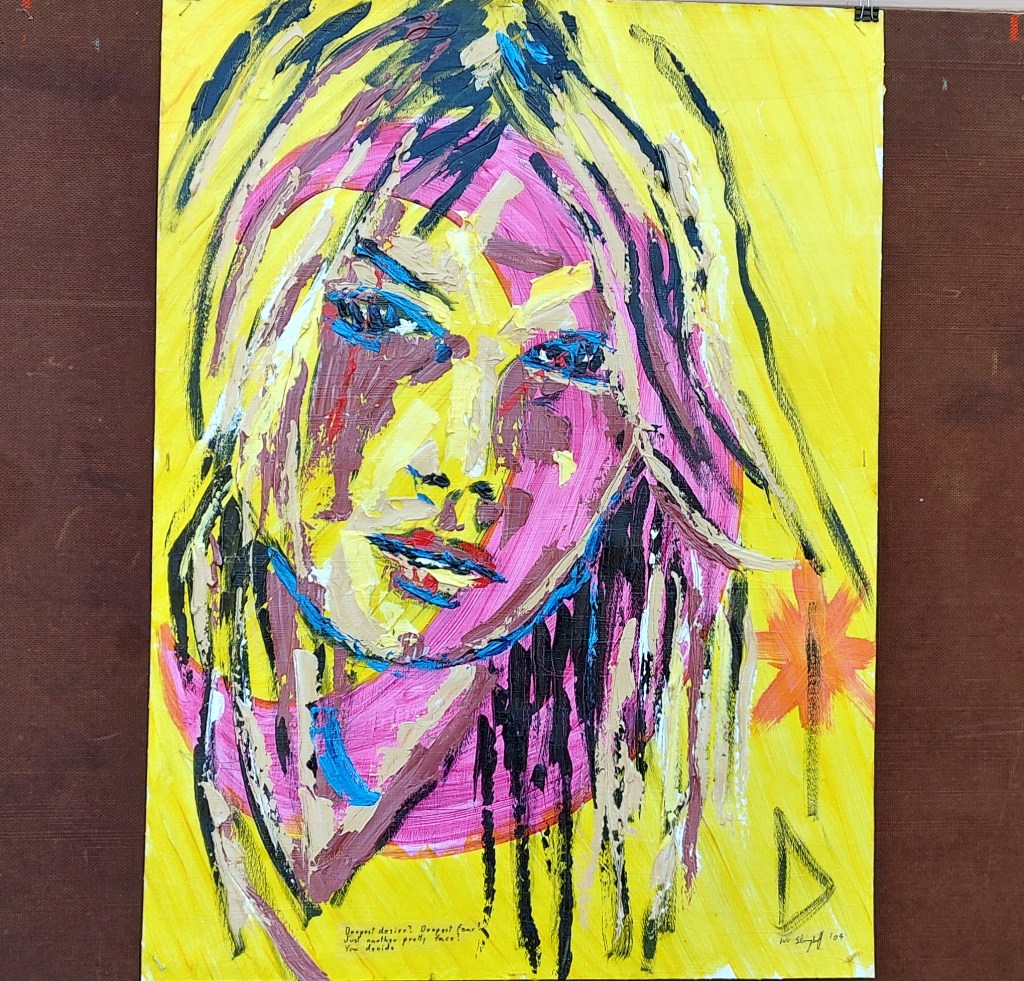
Acrylic on Watercolor Paper, 2004, 30×22
Deepest desire? Deepest fear?/just another pretty face?/you decide

Acrylic on Canvas, 1972, 48×40
Untitled

More paintings and info at: https://sites.google.com/view/cabinetofvanities
Acrylic on Canvas, 1972, 48×36
Your ad here!

More paintings and info at: https://sites.google.com/view/cabinetofvanities
Acrylic on Canvas, 1999, 30×40
Chess at Bayside/Is serious business/Wrapped against the autumn wind/With sweat suits and concentration

More paintings and info at: https://sites.google.com/view/cabinetofvanities
Acrylic on Canvas, 2002, 30×40
Midday roses unfold, I sit/weekenders rush to the sound/I stay,/worlds open, skies beam, I hide/in solitary pretense of Tao

More paintings and info at: https://sites.google.com/view/cabinetofvanities
Acrylic on Canvas Paper, 2004, 24×36
Self-confidence/can be worn like clothing/so we hardly notice

