All paintings at: https://sites.google.com/view/cabinetofvanities
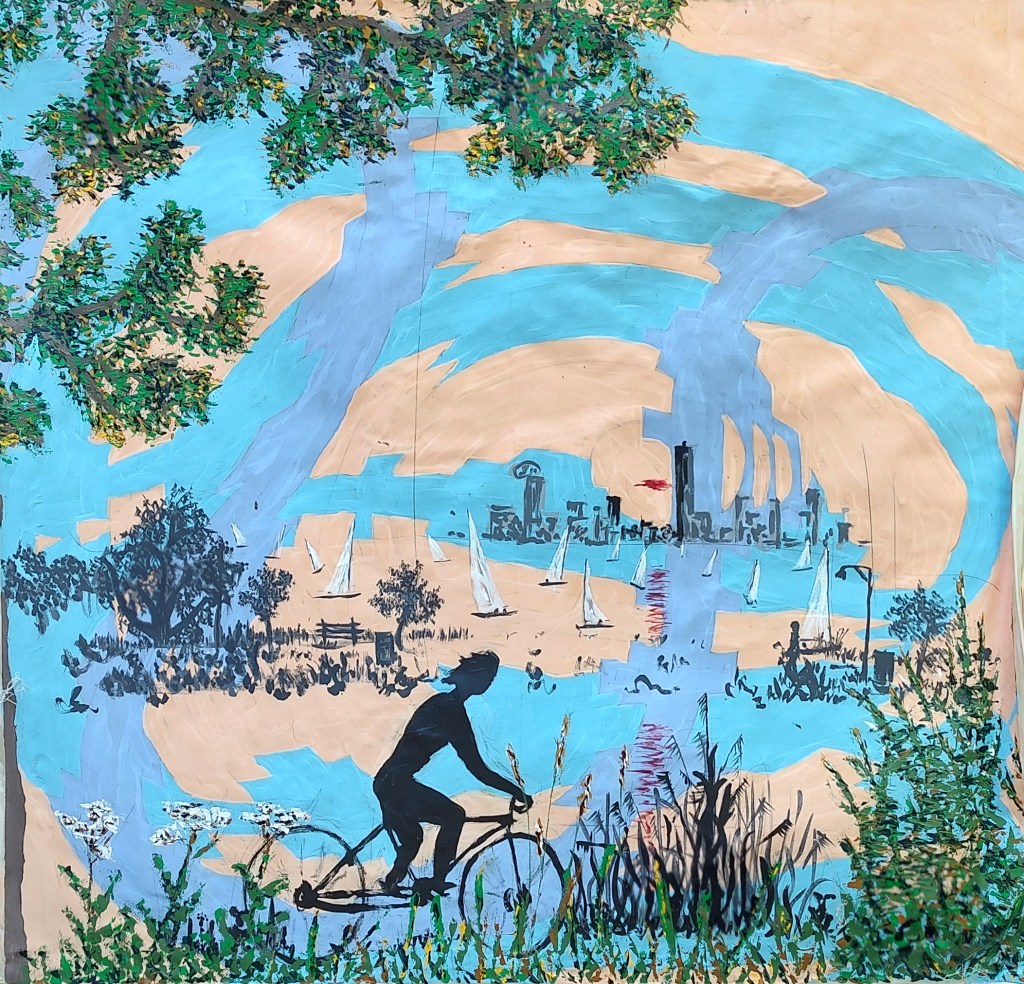
Acrylic on Canvas ,1975 40×40
Bicycling on Boston esplanade
All paintings at: https://sites.google.com/view/cabinetofvanities
Acrylic on Canvas ,1975 40×40
Bicycling on Boston esplanade
All paintings at: https://sites.google.com/view/cabinetofvanities
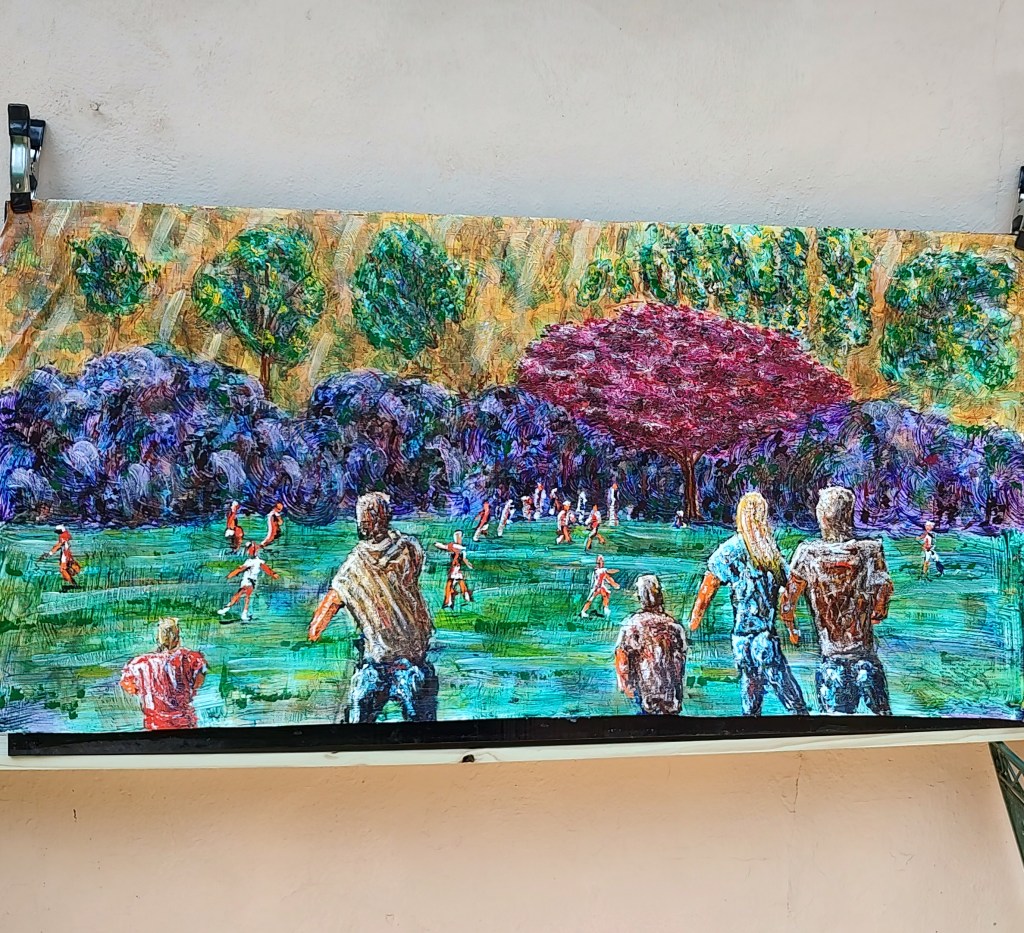
Acrylic on Canvas ,1999 36×64
Canopy of trees / marches into autumn winds / we shall never be so young again / I am too old to play / almost too cynical to cheer / never unable to enjoy / these passions, hopes, and dreams
All paintings at: https://sites.google.com/view/cabinetofvanities
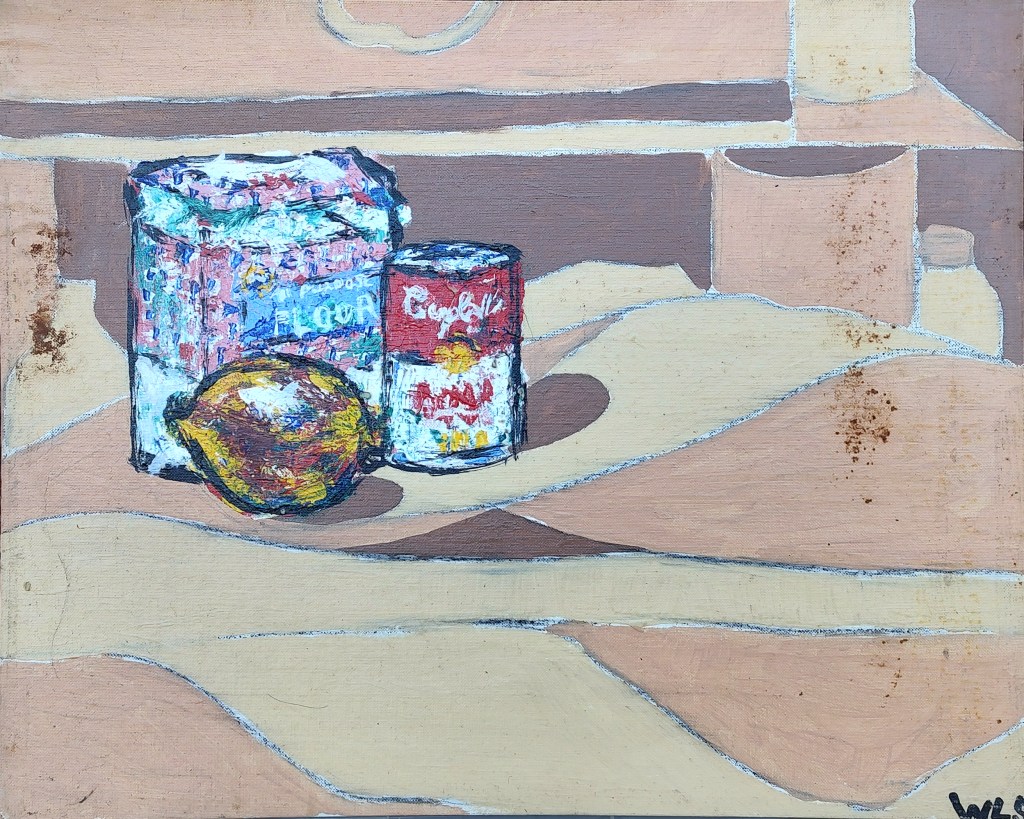
Acrylic on Canvas ,1970 16×20
Still life
All paintings at: https://sites.google.com/view/cabinetofvanities
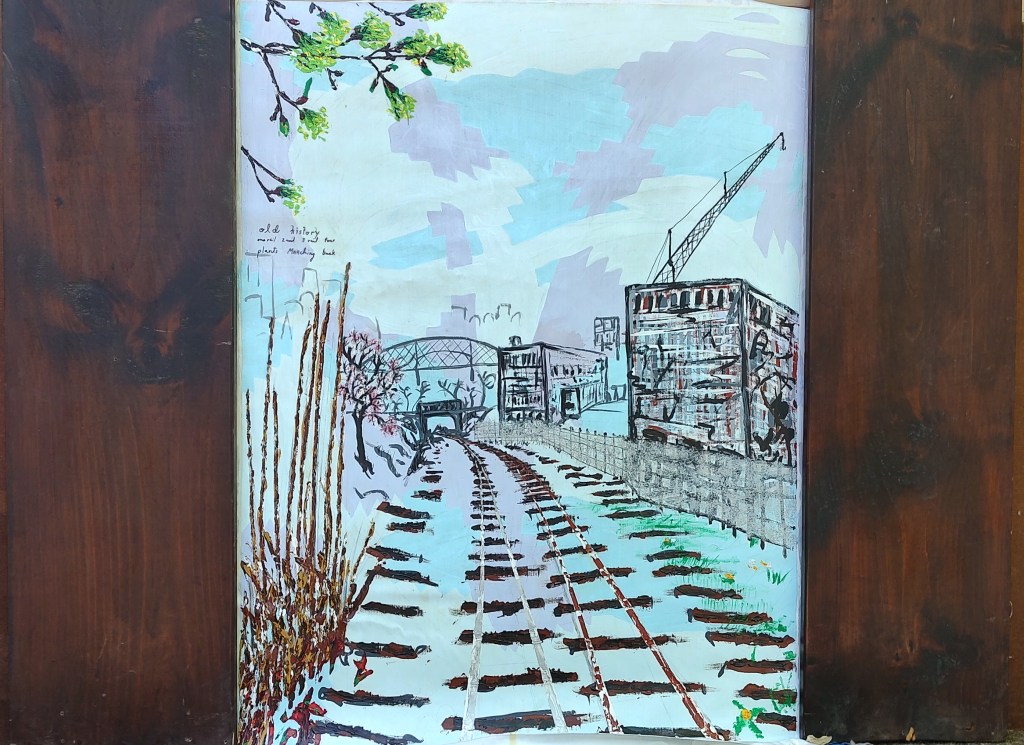
Acrylic on Canvas ,1975 40×30
Old history / one rail two rail three rail four / plants marching back
All paintings at: https://sites.google.com/view/cabinetofvanities
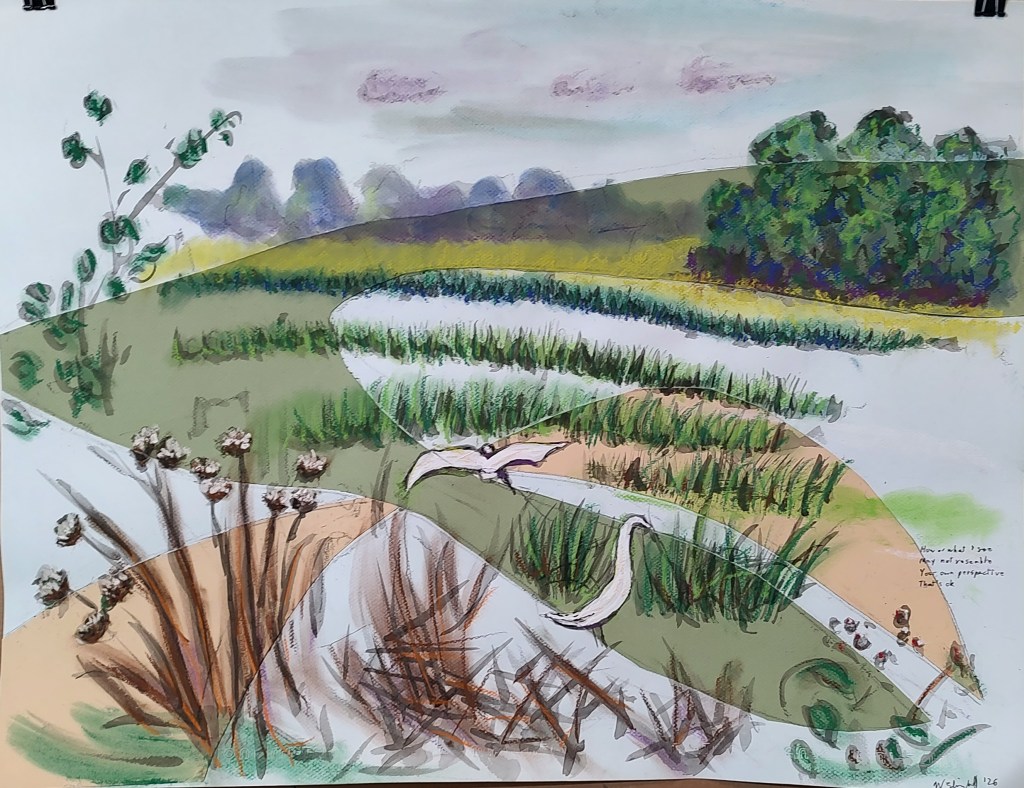
Pastel and Ink on collaged pastel paper ,2026 20×26
How or what I see / May not resemble / Your own perspective / That’s ok
All paintings at: https://sites.google.com/view/cabinetofvanities
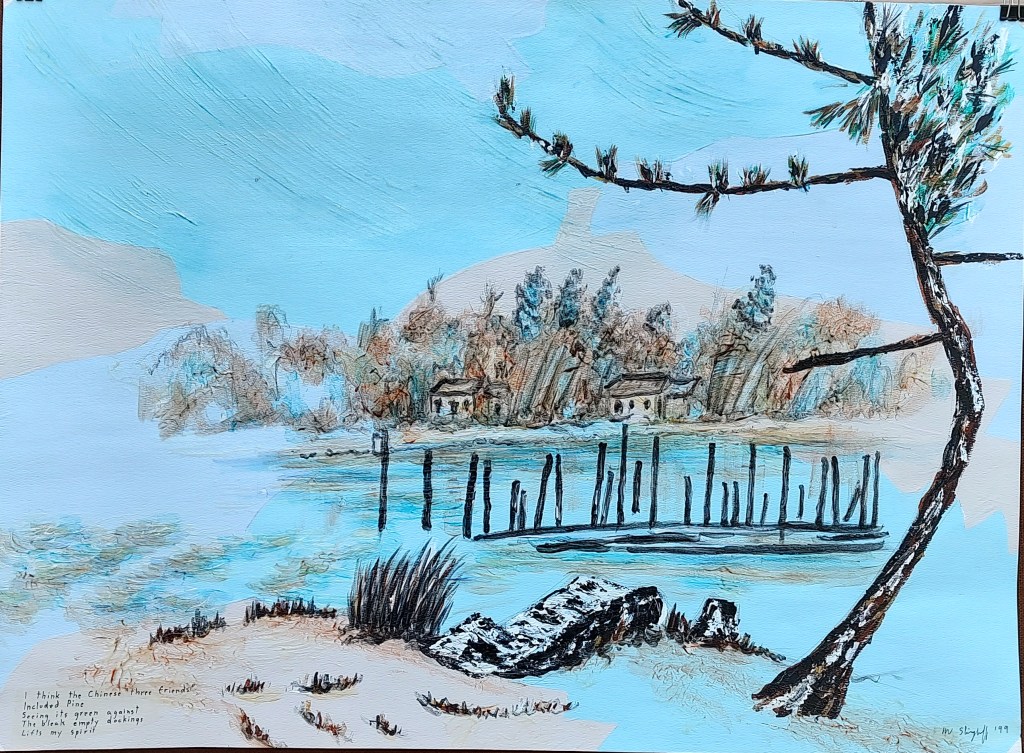
Acrylic on Watercolor Paper,1999 22×30
I think the Chinese “three friends” / included pine / seeing its green against / the bleak empty dockings / lifts my spirit
All paintings at: https://sites.google.com/view/cabinetofvanities
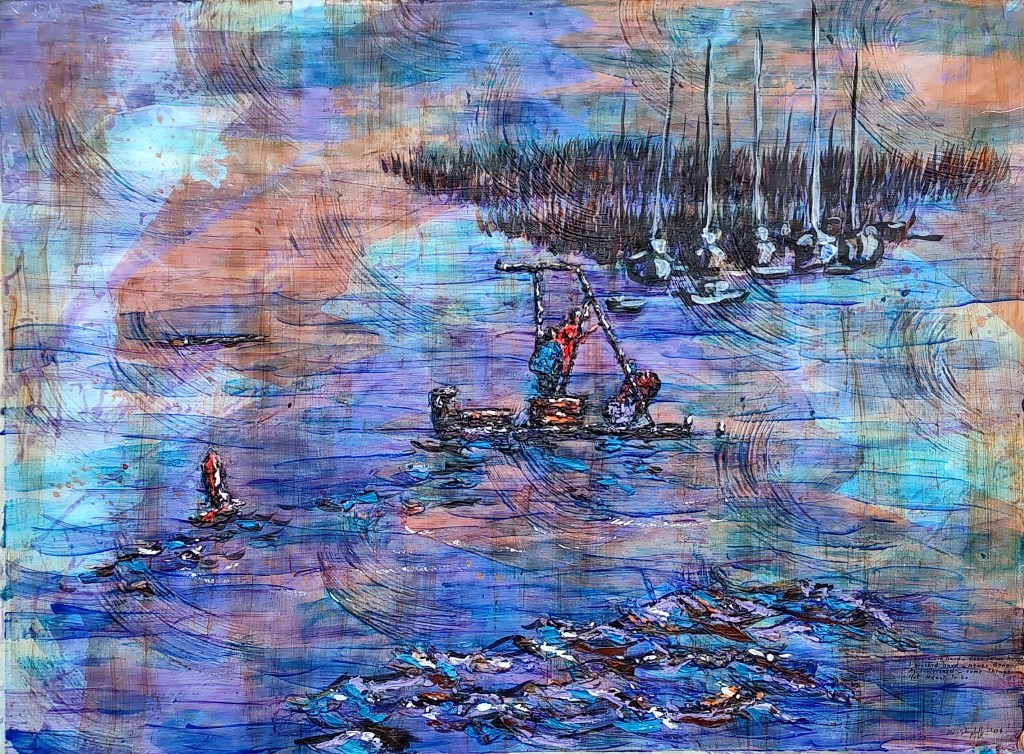
Acrylic on Canvas, 2004 30×40
They work hard – done in an hour / I worked hard – never done / as I visioned – some things / not meant to be

All paintings at: https://sites.google.com/view/cabinetofvanities
Acrylic on Canvas, 2001 30×40
Fishing, but / for what? / the sun, the day, the breeze, / sparkles of the moment / chime of rigging, gull cries / time well spent
All paintings at: https://sites.google.com/view/cabinetofvanities
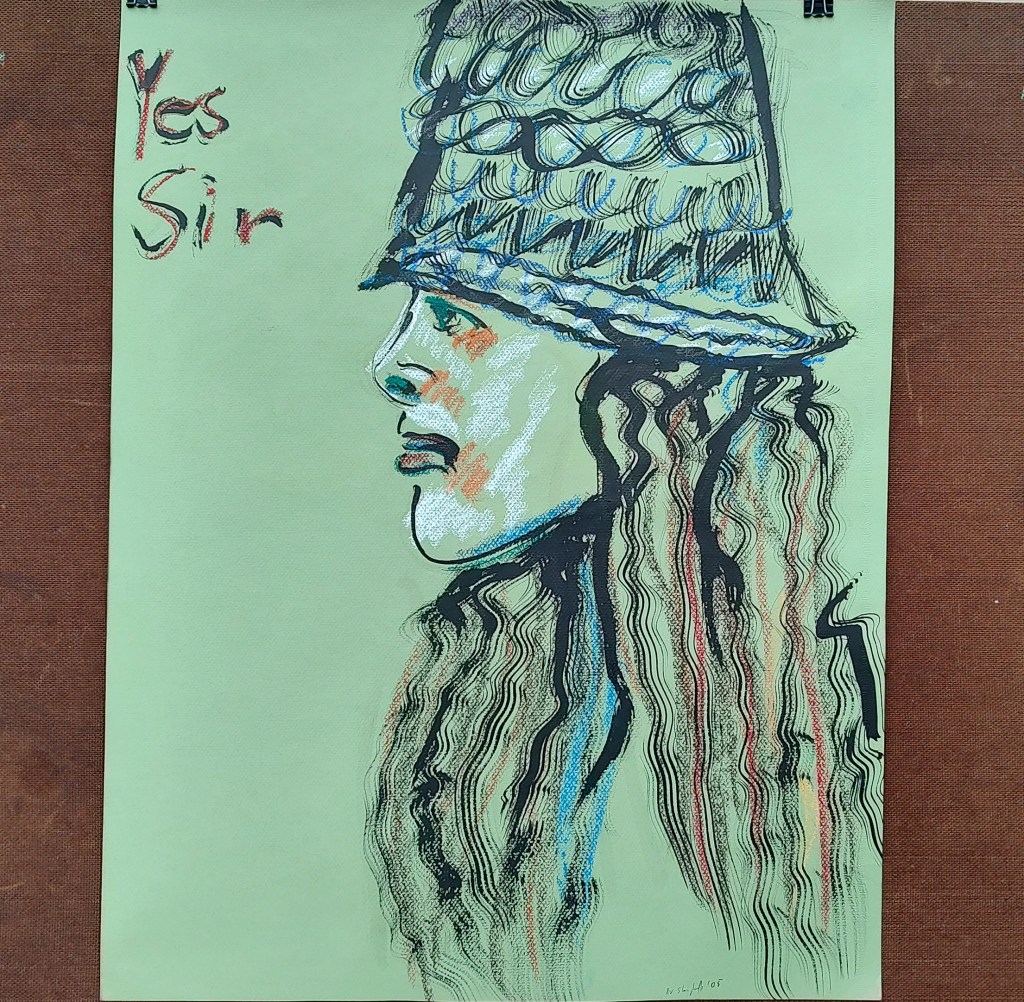
Pastel and Ink on pastel paper, ~2002 26×20
Yes Sir
All paintings at: https://sites.google.com/view/cabinetofvanities
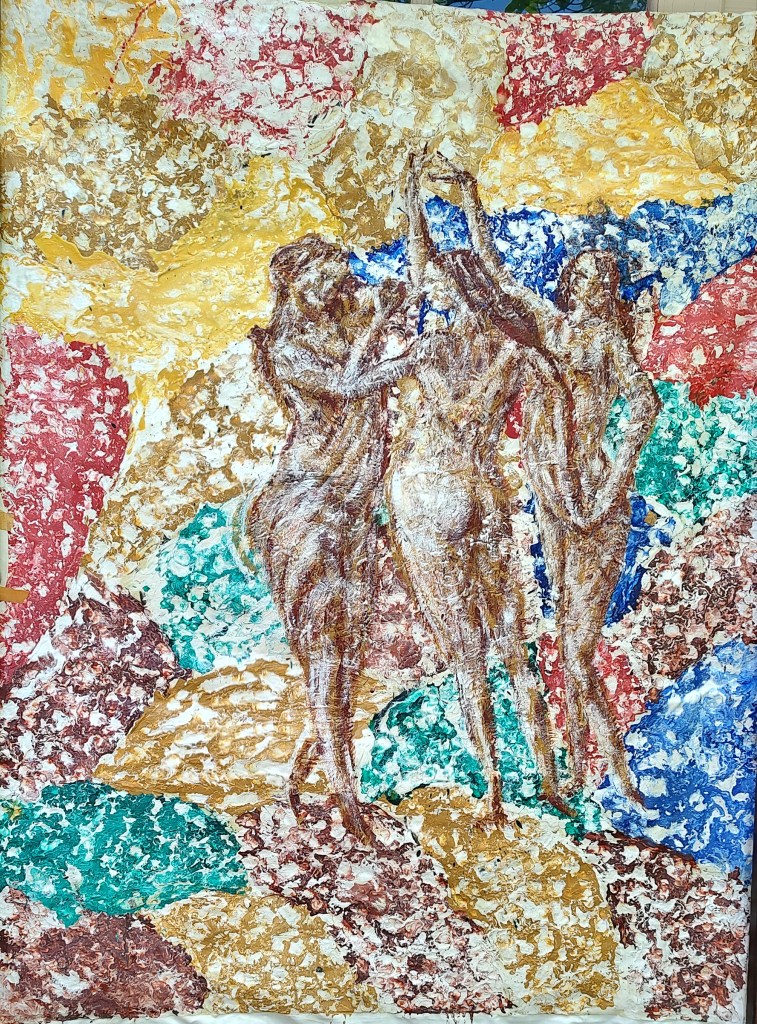
Acrylic on Plastic, 1974 36×44
Copy of Botticelli Three Graces
 HuntingtonHarborThoughts